Investment to Help You Grow Your Wealth in Nigeria: With all the investment options available today from apps and platforms to government offers and tech-driven opportunities, it’s easy to feel overwhelmed and ask: “What should I actually invest in?”
That’s exactly what this guide will help you answer.
In this article, we break down ten (10) practical investments in Nigeria that can help you grow your wealth. These options are accessible to beginners, whether you’re working full-time or building a side income, and can fit different goals and risk appetites.
If you’re just starting or already building a portfolio, knowing where money can grow well (and sustainably) is a big part of becoming financially assured, especially in a fast-changing economy like Nigeria’s.
From collective investment options like mutual funds to income-producing assets like real estate and bonds, this guide gives you a clear look at opportunities people are using in 2026.
What options are available for investment in Nigeria that can grow your wealth?
Mutual Funds
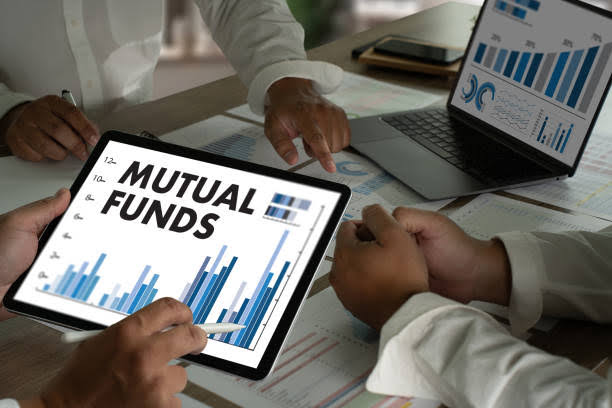
One major investment type in Nigeria is the Mutual Funds.
Source: iStock
If you’ve been thinking about the kind of investment in Nigeria that will help you increase your wealth without taking big risks or learning complicated things, mutual funds are a smart and beginner-friendly option.
A mutual fund is simply a pool of money collected from different people and managed by professionals.
These experts take that money and invest it in things like stocks, treasury bills, government bonds, commercial papers, and even real estate, depending on the type of fund.
One of the most popular types in Nigeria today is the money market fund, which focuses specifically on short-term, low-risk investments like treasury bills and bank placements.
What makes these funds attractive is that you don’t need to be a financial expert or have a lot of money to start. You can begin with as little as ₦5,000 or ₦10,000, and many platforms like Sycamore, Cowrywise, PiggyVest, ARM, and FBNQuest even let you automate your contributions weekly or monthly.
Data from Nigeria’s Securities and Exchange Commission (SEC) shows that mutual funds are growing quickly. The total Net Asset Value (NAV) — the total value of all mutual funds in Nigeria — rose to about ₦7.416 trillion by the end of November 2025, up nearly 93% from the previous year.
Money Market Funds accounted for around 62% of this total, highlighting investor interest in lower-risk, liquid investments.
Mutual funds are great for people who are new to investing, want to grow money over time, and prefer a structured, less hands-on approach.
Government and Corporate Bonds
For long-term and stable investment in Nigeria, bonds are one of the most reliable answers to grow your wealth.
A bond simply means lending money to either the government or a company. In return, they pay an interest over a set period usually every six months and then return the principal amount at the end of the term.
There are two common types:
Government bonds, like FGN Bonds or Treasury Bills, are backed by the federal government and are considered very low risk. Nigeria has also reopened medium- and long-term bonds (like 5-year and 7-year issues) with coupon rates near 17.95 %, reflecting an environment where fixed-income yields are high.
For longer-term options, a 5-year FGN bond currently yields around 19.25% per annum—making it a strong, predictable choice for conservative investors.
Corporate bonds are issued by large, trusted companies like Dangote, MTN, or Flour Mills. These can offer slightly higher returns. As noted by the IFC’s Nigeria Private Sector Diagnostic that corporate bond yields remain high partly due to tax changes and credit risk.
You can buy government bonds through your bank, the Central Bank of Nigeria’s primary market auction, or via licensed investment platforms like Sycamore, Stanbic IBTC, or FBNQuest. Some platforms like Cowrywise and Risevest also give retail investors access to bond-related products.
Note:
Because interest earnings from some short-term securities (like T-Bills and commercial papers) may attract a 10% withholding tax in Nigeria as of January, 2026, always check tax treatment before investing.
Real Estate

Source: Legendproperties
Buying land or property remains one of the most trusted ways to grow long-term wealth in Nigeria. Lagos, Abuja and Port Harcourt have seen solid growth, with cities like Abuja experiencing continuing demand for residential and commercial real estate and Port Harcourt showing annual price rises.
There are two main ways Nigerians invest in real estate:
Land banking – You can buy land now in an emerging location and hold it until the land appreciates. You can sell later at a profit or use it for future projects.
Rental property – You build or buy properties and rent them out, either as commercial or residential properties. Rental yields in Lagos, for example, range between 6% and 10% per year, depending on the location and property type.
With Real Estate, your money is going into a physical asset. But ensure you work with a trusted agent or developer, verify your land title (C of O, Governor’s Consent, or Registered Survey), and do proper location research before buying.
So if you’re still figuring out an investment in Nigeria for long-term value and financial security, real estate is one option that has proven itself over and over again.
Real Estate Investment Trusts (REITs)
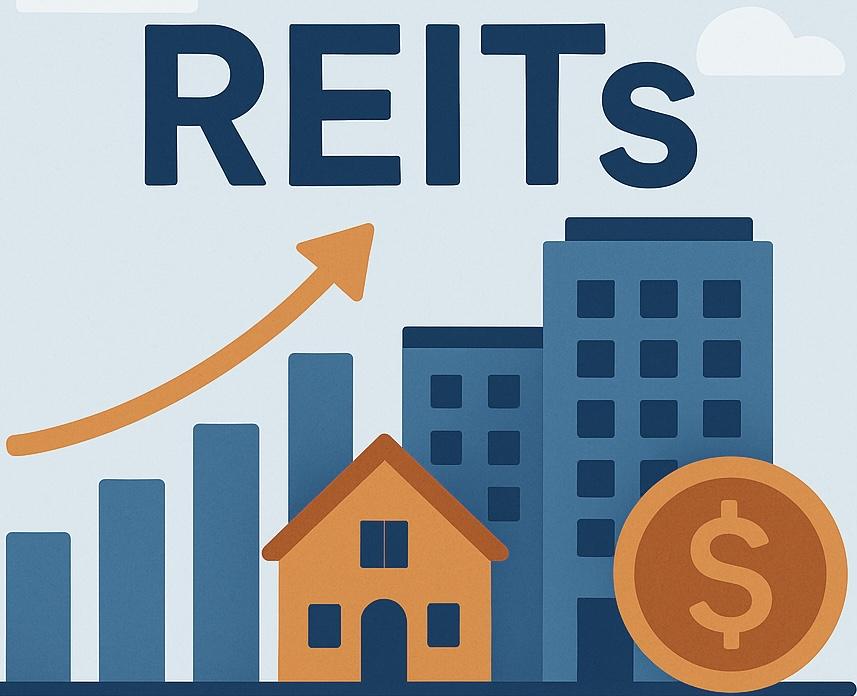
One way to invest in Nigeria.
If you like the idea of real estate but don’t want the stress of buying land or managing tenants, then REITs might be exactly what you’re looking for. It’s one of the simplest ways to earn from property without laying one block and it’s a smart option when you’re thinking of investments in Nigeria to grow your wealth.
What are REITs?
REIT stands for Real Estate Investment Trust. It’s like a company that owns income-generating properties—like shopping malls, office buildings, hotels, or residential estates. When you buy into a REIT, you’re buying a small part of all those properties. And as the properties earn rent, you get a share of the profits, usually paid as dividends.
One major benefit of REITs is that they’re listed on the Nigerian Exchange (NGX), so you can buy and sell them just like stocks.
Here are some of the top-performing REITs in Nigeria:
- UPDC REIT
- Union Homes REIT
- SFS REIT
(Source: NGX Market Data)
The entry point is also very low. With as little as ₦5,000 to ₦10,000, you can start investing in a REIT through stock trading apps like Chaka, or through a stockbroker, unlike the traditional real estate investing route that would require millions.
Annual dividend returns typically range between 6% and 12%, depending on the performance of the properties in the trust.
REITs can be a powerful part of your investment plan if you want real estate returns without the stress of buying and managing property directly.
Dollar Investments

Invest in dollars. Source: freepix
If you’re seriously looking for options for investment in Nigeria, one of the smartest moves you can make to start growing your wealth is investing and earning in a currency that retains more value over time, compared to the Naira.
Dollar investment means putting your money into opportunities that give you returns in US Dollars. This could be US stocks, Dollar-based fixed income and US real estate portfolios.
You don’t need a domiciliary account or to change money at BDCs on the streets to invest in dollars. All you need is a good app that suits your needs. Some of these apps are Sycamore, Risevest, Chaka and Bamboo.
These Dollar investment apps (link to the article on it) allows you to fund directly from your Naira wallet, convert to dollars at the current rate, and track your earnings from the app. It’s simple, digital, and designed for the everyday Nigerian.
Agricultural Investment
Another solid option to consider when thinking about where to invest in Nigeria is agriculture. The sector is full of opportunities to grow your money and create real impact.

Agriculture is one solid option to consider if you want to make an investment in Nigeria.
Source: primagric
You don’t have to farm yourself. You can either partner with verified agri-tech platforms or go directly through trusted agricultural companies that run structured projects like Oil Palm plantations. These businesses often look for external funding to scale their operations and in return, they offer you steady interest on your investment.
The Nigerian government and international partners have pushed big agriculture investment initiatives. For example, the Federal Government launched a $3.14 billion agricultural investment portfolio focused on major value chains like tomato, maize, dairy, and fisheries with the goal of boosting production, creating jobs, and generating sustainable returns.
Also, authorities have been supporting farmers with credit facilities and mechanization programs aimed at increasing productivity and reducing food insecurity, which is a sign that agriculture is getting better and serious support from policy and funding.
Here are agri-tech platforms doing great work that you may consider investing in:
- ThriveAgric – They offer insurance-backed farm projects and regular updates.
- Agrovest – Invest in crop cycles with clear terms and structured returns.
Don’t forget to conduct due diligence. Always check if the company is registered and regulated, if the projects are insured, if the promised returns are reasonable, and their performance track record.
Fixed Deposits and Cooperative Savings

Investment in Nigeria. Source: Shutterstock
A fixed deposit is when you lock your money in a bank account for a set period of like 3 months, 6 months, or a year and the bank pays you interest. The longer you leave your money, the higher the interest you earn.
It’s easy to start. Walk into your bank, request a fixed deposit account, and you’ll get a certificate showing your terms. Looking for where to invest in these fixed deposits, you can check digital banks like VBank or Kuda and commercial banks like StanbicIBTC or Zenith. They offer competitive rates for fixed savings.
On the other hand, cooperative societies, especially workplace or community-based ones, allow members to contribute monthly and invest the pooled funds into trusted projects or loan systems. At the end of the cycle, profits are shared among members, and interest rates can sometimes be higher or lower than bank deposits, depending on the structure.
Both of these options are good for people who want low-risk, predictable returns without worrying about stock markets or app dashboards.
Commercial Papers & Private Equity

One major investment option in Nigeria is the commercial paper.
Image Source: Shutterstock
If you’re open to a bit more risk for higher returns, commercial papers and private equity notes are investment options in Nigeria worth looking into.
Commercial papers are short-term loans issued by large companies to raise quick cash for business needs like paying salaries or restocking. Instead of borrowing from a bank at a higher interest rate with stiff conditions, they borrow from investors like you and offer a fixed return after a few months. They’re usually considered safe if the company has a strong reputation.
Private equity on the other hand means investing in businesses that are not listed on the stock exchange. This could be startups or fast-growing companies looking for funds. Your money is used to grow the business, and you earn a share of the profits or a fixed return.
In 2026, platforms like Sycamore, Afrinvest, and FBNQuest allow everyday Nigerians to access these investment options starting from ₦100,000. Yields depend on how strong the company is and how long you leave the money in.
Before jumping in, always read the terms. Some of these investments may lock your funds for a few months and early withdrawal might not be allowed.
Crypto & Blockchain Assets

You can also invest in Crypto or Blockchain Assets.
Source: CMSwire
Cryptocurrency is a type of digital money (e.g: Bitcoin or Ethereum) that’s not controlled by any government or bank. It runs on a technology called blockchain, which is basically a public record that tracks every transaction to keep things secure and transparent.
Some people invest in stablecoins like USDT (Tether)—these are digital currencies that are tied to real-world money like the US dollar. They’re less volatile than coins like Bitcoin, people use them to save in dollars without opening a domiciliary account.
Nigeria is one of the countries with the highest rate of crypto adoption in the world. According to global adoption data, Nigeria ranked sixth globally in crypto adoption in 2025, and millions of Nigerians use digital assets to protect value, make payments, or store savings.
If you want to explore this space, start small and stick to regulated platforms like Quidax, Roqqu, YellowCard, and Bundle Africa. Think of crypto as a long-term play, not a quick cash scheme.
Stock Market – Local & Global

Source: Peoplesimage
The stock market is a place where people buy small parts (called shares) of companies. When you buy a share, you’re basically owning a piece of that company. If the company does well, your shares will grow in value and sometimes, they even pay you a part of their profit (called dividends).
Thanks to investment apps like Sycamore, Bamboo, and Chaka, you no longer need a stockbroker or millions to invest. You can now buy Nigerian or U.S. stocks with as little as ₦5,000 or $5.
You also have access to foreign companies like Apple, Tesla, and ETFs which are Exchange-Traded Funds—basically, bundles of different stocks you can buy in one go, like the S&P 500, which tracks 500 of the biggest U.S. companies.
This is one of the easiest ways to diversify your income, especially if you want to earn in Dollars and reduce your reliance on the Naira.
Conclusion
When it comes to investment in Nigeria, the biggest advantage you can have is knowledge and understanding.
As you’ve seen, there are many investment options available, from low-risk choices like mutual funds and bonds to higher-risk opportunities like crypto and private equity. Each one works differently, and each one suits a different kind of investor.
The real goal is to invest in what you understand.
That’s why financial growth often starts with learning.
Learning how money works, how risks differ, how markets behave, and how to make decisions based on long-term thinking instead of hype or pressure. With the right knowledge, even small amounts can be invested wisely over time.
If you’re still unsure where to begin, start small. Learn consistently. Build confidence before increasing commitment. Over time, those small, informed steps compound into real progress.
And if you’re serious about building income skills, understanding digital finance, or creating more opportunities for yourself beyond traditional employment, structured modern-day digital learning makes the journey easier.
Hydra-Scola gives you the opportunity to do all that, and grow sustainably.
Check our resources and programs here >>> Hydra-Scola Programs

Elsie Udoh is a writer who transformed her love for talking into a career. You can easily tell that she talks a lot by how her paragraphs flow.
She’s big on clarity, connection, and helping people learn something new without getting bored halfway through.