A good Facebook Ad Copy should make users stop scrolling and boost your engagement. Here are ten (10) powerful techniques to write persuasive, high-converting ads that boost engagement, conversions and sales.
Why Do Most Facebook Ads Fail and How Can You Avoid It
Spending hours crafting an ad, picking the perfect image, setting up targeting, and launching your campaign, only to get minimal engagement, clicks, or conversions “#chirps #chirps #chirps”
You don’t want frustrating results.
The problem isn’t where you think it lies. Your Facebook ad targeting and budgeting are fine. A little birdie told me your Facebook ad copy isn’t compelling enough.
The right ad copy can shoot up your click-through rates (CTR). Yet, most advertisers focus only on visuals and neglect the power of words.
Can we stop doing that now?
In this guide, I’ll show you how to write compelling Facebook ad copy using ten (10) proven techniques with real-world examples and practical steps to apply immediately.
Ten (10) Best Techniques for Writing High-Converting Facebook Ad Copy
Here are the ten (10) best techniques for writing high-converting Facebook Ad copy;
Use the PAS Formula (Problem, Agitate, Solve)
Write With Emotion & Storytelling
Focus on Benefits, Not Features
Use Power Words & Persuasive Language
Leverage Social Proof & Testimonials
Keep It Short & Scannable
Use Strong Calls-to-Action (CTAs)
Personalize Your Ad Copy for Specific Audiences
Test Different Copy Variations (A/B Testing)
Optimise for Mobile Users
1. Use the PAS Formula (Problem, Agitate, Solve)
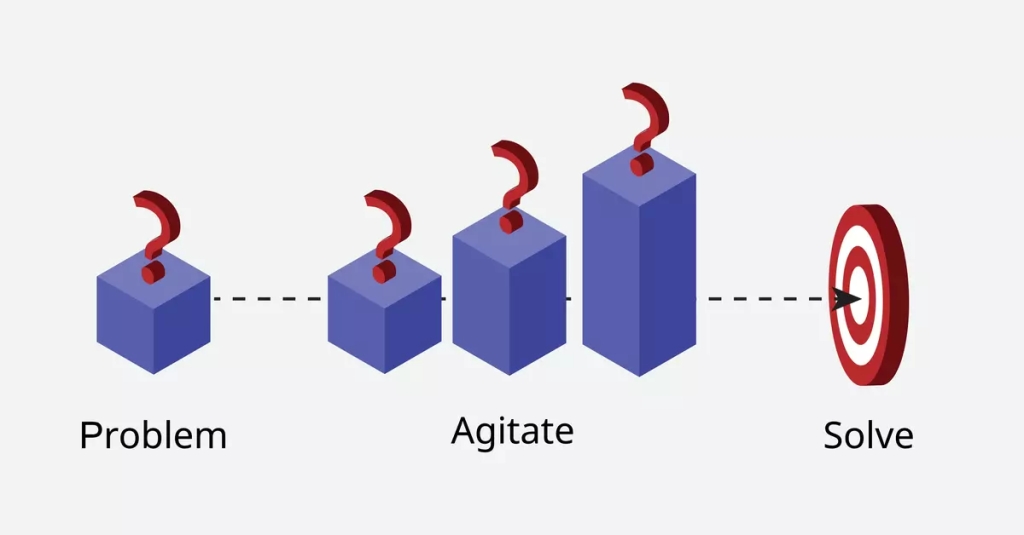
One of the most effective Facebook Ad Copywriting strategies is the PAS Formula:
Problem – Identify your audience’s biggest pain point.
Agitate – Make the problem feel even more urgent.
Solve – Present your product/service as the solution.
Here is an example of a copy that uses the PAS formula:
“Struggling to get sales from Facebook ads? You’re not alone. Thousands of advertisers waste money daily because they don’t use the right ad copy techniques. The good news? You’re about to learn a strategy that increases conversions by 3X.”
This formula works because it taps into psychological triggers making people acknowledge their pain before showing them the solution. Making people acknowledge their pain makes them want to look for a solution, and in you, their knight in a shining armour.
Internal Link: Struggling with ad targeting on Facebook, here are Common Mistakes in Facebook Ad Targeting That Cost You Money.
2. Write With Emotion & Storytelling
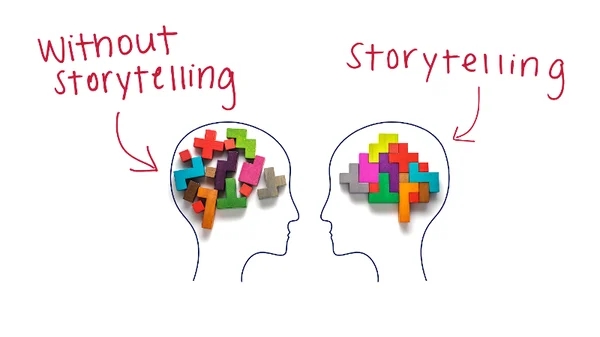
People connect with stories, not sales pitches. When you add emotion to your ad copy, it becomes memorable and engaging. A bland sales pitch would show you as carefree and focused on just sales.
Customers would like to know you understand their pain points and offer real value.
Instead of “Our fitness program helps you lose weight fast”.
Try “Sarah felt frustrated trying every weight loss program until she discovered this ONE simple trick. Now, she’s 10 lbs lighter and full of energy!”.
If I came across such an ad, what comes to my head is “Who is Sarah and how do I lose 10 lbs too?” Story-driven ads get more engagement than direct sales pitches because they create emotional connections.
Internal Link: If you struggle with conversions with your Facebook Ads, here are Reasons Your Facebook Ads Are Not Converting.
3. Focus on Benefits, Not Features
When you sell, always put the benefits of your offer at the forefront. That’s what matters to customers.
Most businesses make the mistake of selling features instead of selling benefits.
Here is an example of a feature-focused copy: “Our skincare cream contains retinol and vitamin C.” (pfft, I don’t care about that. I don’t even know what that is, or what it does for my skin)
A better benefit-driven copy would say “Erase wrinkles and get glowing skin in just 7 days without expensive treatments.” (Now I give a flying eff)
Customers don’t care about the technical specs. They care about how it improves their lives.
Internal Link: Want to optimize Ad performance? Discover How to Improve Facebook Ad Performance in a few short steps.
4. Use Power Words & Persuasive Language
Power words are words or phrases that evoke an emotional response in your audience.
Certain words trigger psychological responses that increase engagement. Some examples include:
Instant
Proven
Exclusive
Secret
Effortless
Results
Free
Limited Time
An example is “This exclusive offer is available for a limited time, act now before it’s gone!”. Power words enhance persuasion and help you write Facebook ad copy that converts.
5. Leverage Social Proof & Testimonials
As a user, whenever I come across an ad advertising a product or service, I look for testimonials of other users to relieve my doubts as a cold client. Users trust peer recommendations more than brand claims. Use customer testimonials, reviews, or data to boost credibility.
Here’s an idea; “Over 10,000 happy customers have switched to our organic skincare, see why they love it!”
If you don’t have customer testimonials yet, use data-driven proof like; “9 out of 10 marketers use this strategy to increase sales. Are you missing out?”
Internal Link: What Are Custom Audiences and How to Use Them in Facebook Ads. Learn how to refine audience targeting.
6. Keep It Short & Scannable
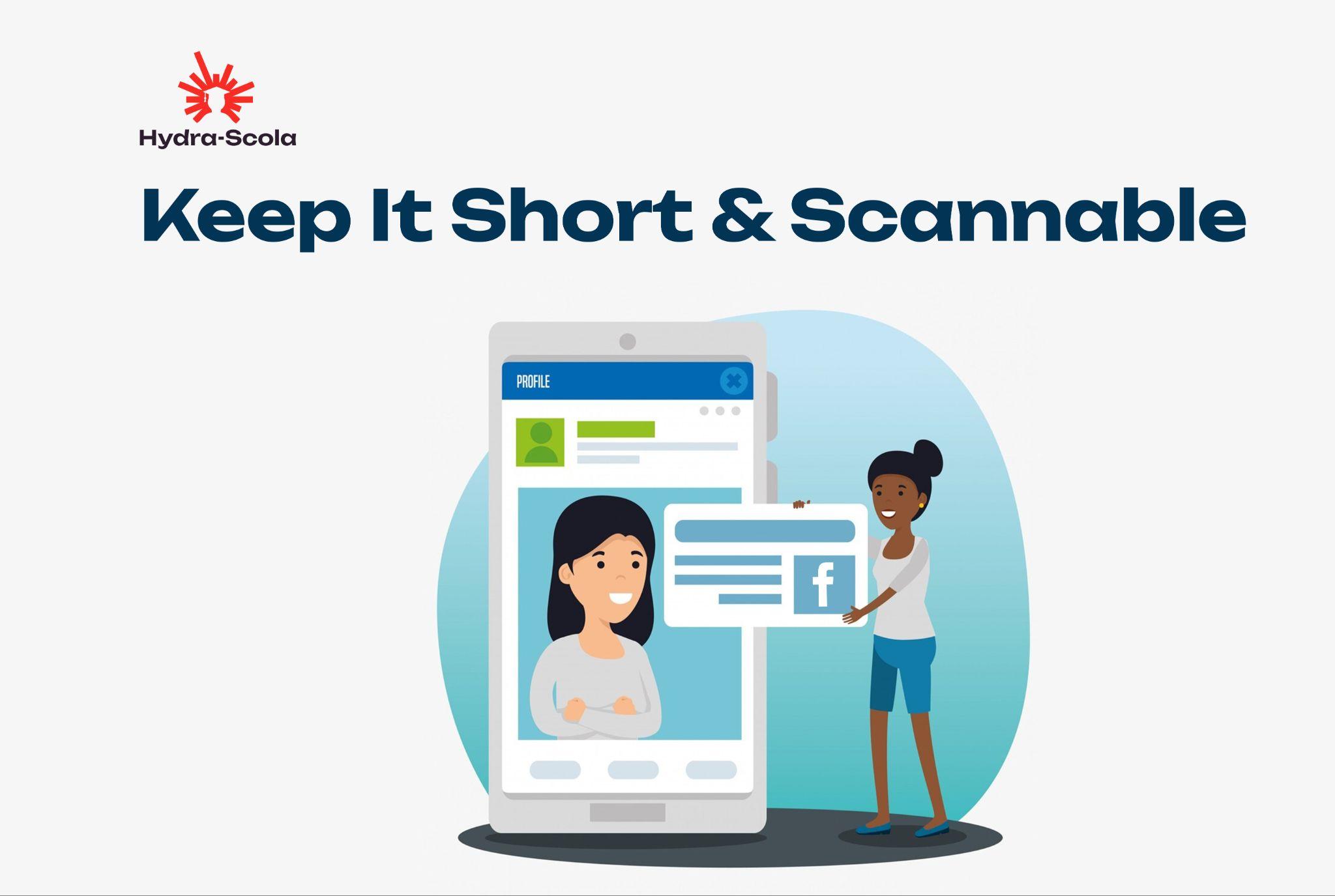
The attention span of users nowadays needs short and scannable content. Facebook users scroll fast. Your ad copy must be short, clear, and easy to read. Your ad copy should;
Contain short paragraphs (2-5 sentences max).
Add bullet points for clarity.
Keep it under 125 characters for mobile users.
Here’s an example: “Struggling with Facebook ads? Use these 3 simple tweaks to boost conversions today!”
7. Use Strong Calls-to-Action (CTAs)
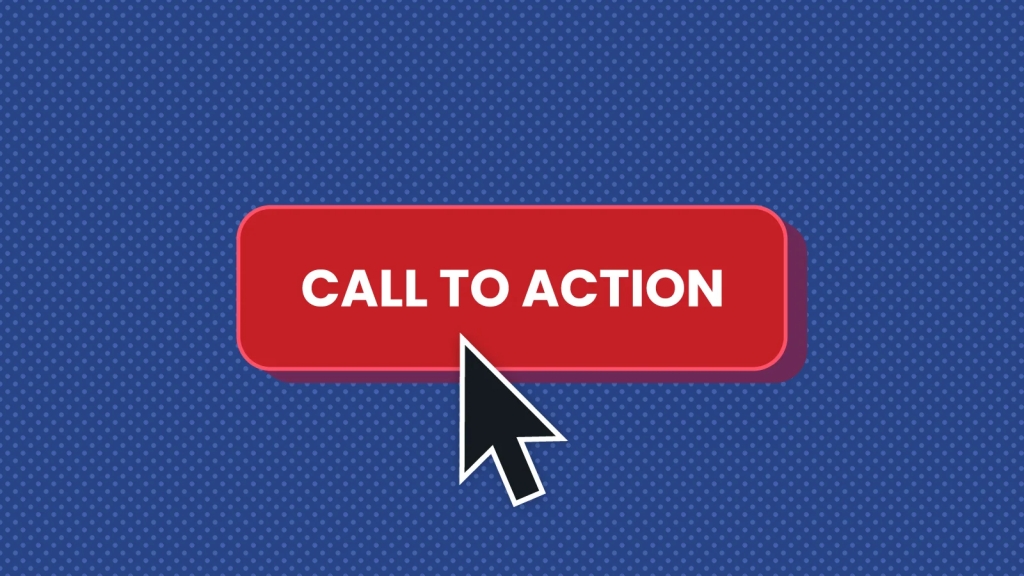
A good call-to-action leads customers directly where you want them. If you use a weak CTA like “Sign up, Learn More, Join now”, you’ll lose cold leads. Those CTAs are generic.
Instead of generic CTAs use:
“Get Your Free Trial Now”
“Claim Your Discount Today”
“See How It Works in 60 Seconds”
Internal Link: If your ads are constantly getting rejected, Here are 10 Reasons Your Facebook Ads Are Getting Disapproved and how you can fix it.
8. Personalize Your Ad Copy for Specific Audiences
Generic ads don’t convert. The best Facebook ad practices involve personalization. Instead of generalizing your ad copy, be specific with your solution.
Instead of: “Buy our skincare products.”, Try: “Oily skin? This dermatologist-approved cleanser keeps your soft feminine body shine-free all day.”
Internal Link: Here’s How to Target Rich Audiences on Facebook. Learn how to refine your ad targeting.
9. Test Different Copy Variations (A/B Testing)
A/B testing is a method in which you compare two versions of an ad to see which performs better. It is also known as Split testing.
Even with a thorough market survey and target audience understanding, you can’t be too confident about what your potential customers would resonate with best.
Even great copy needs optimization. Test different:
Headlines
CTA variations
Short vs. long copy to understand which copy best resonates with your audience.
Internal Link: Get a step-by-step guide on Best Practices for A/B Testing Your Facebook Advertisements.
10. Optimize for Mobile Users
Most Facebook users access the platform through mobile devices, so your ad copy must be optimized for small screens to ensure maximum engagement and effectiveness.
Here’s how you can optimize your ad copy for mobile users:
Keep it Short and Clear: Mobile users scroll quickly, so your ad copy should be concise and attention-grabbing within the first few words.
Make it Easy to Read
Use simple language and avoid jargon. Break up your text with line breaks or emoji bullets to boost readability.
Format for Small Screens: Use bold headlines that stand out, visible CTA buttons and good fonts that contrast from your screen.
Mastering how to write compelling Facebook ad copy is the difference between burning ad spend and skyrocketing conversions.
How to Make Your Facebook Ads Irresistible
If your Facebook ads aren’t converting, it’s time to revamp your ad copy using these techniques. Here’s a summary of the best practices to craft an excellent ad copy in case you need a screenshot.
Hook users with PAS (Problem, Agitate, Solve)
Use emotion and storytelling
Highlight benefits over features
Leverage social proof and data
Test and optimize for better performance
Apply these techniques, and watch your Facebook ad performance skyrocket with better engagements and conversions.
For more expert tips, check out:
- How to Run Facebook Ads for Your Business in Nigeria
- Important Metrics to Track When Running Facebook Ads
Frequently Asked Questions (FAQs)
1. What makes a Facebook ad copy effective?
An effective Facebook ad copy is short, persuasive, and emotionally engaging. It highlights key benefits, uses strong calls to action (CTAs), and incorporates storytelling to capture attention and drive conversions.
2. How do I write high-converting Facebook ads?
To write high-converting Facebook ads:
Use power words to create urgency and excitement.
Personalize your message to resonate with your target audience.
A/B test different versions of your copy, headlines, and visuals to see what performs best.
3. What are common mistakes in Facebook ad copywriting?
Some of the biggest mistakes in Facebook ad copywriting include:
Focusing on features instead of benefits, users care about what’s in it for them.
Writing a long-winded copy. Keep it concise and easy to skim.
Using weak CTAs: Tell users exactly what action to take (e.g., “Shop Now” or “Sign Up Today”).
4. Should I use emojis in Facebook ads?
Yes! Emojis can boost engagement, making ads feel more relatable and visually appealing. However, use them sparingly to avoid looking unprofessional and ensure they align with your brand tone and audience preferences.
5. How do I improve my Facebook ad performance?
To increase Facebook ad performance:
Refine Your Ad Copy
Optimise for Mobile
Test and Adapt
Target the Right Audience
By following these strategies, you can create high-performing Facebook ads that drive better engagement, clicks, and conversions.

Damaris is a content writer at HydraScola, where she explores topics around marketing and business growth.