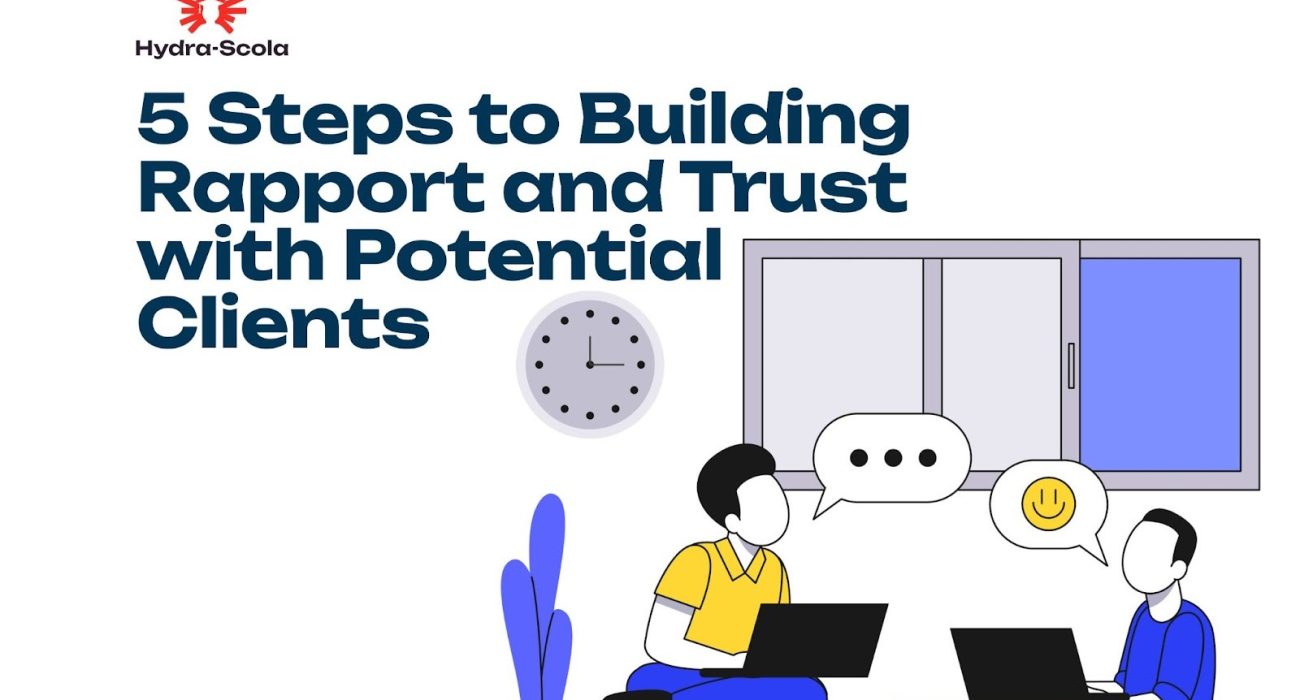
To Build Rapport with potential clients is the foundation of any successful business relationship.
Think about it: would you rather buy from somebody who aggressively tries to sell their product the moment you meet them or someone who takes the time to understand your needs before offering a solution?
Well, I’m not sure about you, but the first thing I’d think about the pushy salesperson is that they might be trying to scam me, and the only thing I’d want to do is find the nearest exit.
It’s the same with your potential clients. They want to work with someone they know, like, and trust, and trust is built through genuine conversations, consistency, and value-driven engagement.
Whether you’re a freelancer, an agency owner, a sales person or a corporate executive, your ability to connect with clients determines how well your business and commission payment grows.
So, how do you create that sense of reliability and connection? Let’s look at five actionable steps to building rapport and trust with potential clients.
Understand Your Clients and Their Needs

The first step in establishing trust is understanding your clients’ pain points, goals, and expectations. You can’t build rapport if you don’t know what matters to them.
Here’s how to get started:
- Conduct Research: Before reaching out, research the nature of their personal need, or their business, industry, and competitors. Understand their challenges and how your product or service can help.
- Listen More Than You Talk: During conversations, focus on what they’re saying rather than preparing your response. Ask open-ended questions like, “What challenges are you currently facing?” and let them talk.
- Personalise Your Approach: Avoid generic pitches, they scream “spam”. Instead, customize your message based on their specific needs and interests, not what you want to sell.
For example, let’s imagine you were a designer who wants to pitch your service to a small fashion brand, and you go:
“Hello, I’m John, a graphics designer, and I’d like to work with you. Here is my price list…”
Well, you said what you do, but is that enough to get them to trust you? Not quite, I’d say.
But then, what if instead of that, you ask the brand about their biggest design challenge, listen to their response and then suggest a solution that will match their needs?
They could be struggling with making their Instagram feed look cohesive, and then you suggest a branded template package for them.
This approach will work better, don’t you think?
That’s because you show that you’re interested in solving their problem, not just making a sale.
The point remains: When clients see that you genuinely care about their business or personal needs, they are more likely to trust your expertise.

Communicate with Transparency and Honesty

Trust is built on honesty. If a client senses even a hint of deception, they’ll run in the opposite direction.
Be upfront about what you can and cannot do, and never make promises you can’t keep.
Here’s how you can foster trust through communication:
- Set Clear Expectations: Be transparent about pricing, timelines, and deliverables to prevent misunderstandings. If you can’t meet a deadline or offer a specific service, say so. It’s better than overpromising and underdelivering.
- Own Up to Mistakes: If something goes wrong, acknowledge it immediately and offer a solution. Clients appreciate honesty far more than excuses.
- Provide Regular Updates: Keep clients informed about the progress of their projects to reassure them of your reliability and prevent confusion.
A trustworthy business relationship is based on mutual respect, and that starts with honest, open communication.
And remember, clients value transparency over perfection.
Provide Value First

Clients don’t want to feel like just another sales target.
Instead of immediately pushing your products or services, show them why you’re the right choice by providing value first.
Here’s how to demonstrate value upfront:
- Offer Helpful Insights: Send helpful blog posts, reports, or data (even if they’re not from you) that benefit their business.
- Give a Free Consultation: A quick 15-minute call to discuss their pain points can go a long way in establishing credibility.
- Use Social Proof: Share case studies, testimonials, or before-and-after results from past clients.
People trust those who help them, without immediately asking for money
Be Consistent and Reliable
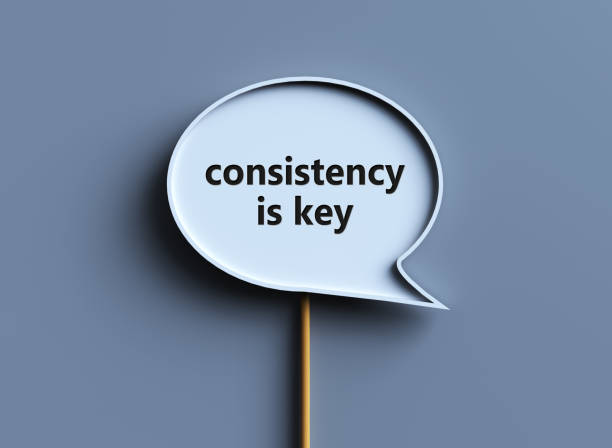
Trust isn’t built overnight. It’s earned through consistency in your words and actions. Clients need to know they can count on you.
How to show reliability:
- Deliver on Promises: If you say you’ll follow up in two days, do it. If you commit to a deadline, meet it.
- Maintain Professionalism: Even in casual conversations, maintain a level of professionalism that reflects your brand.
- Be Available and Responsive: Quick responses to emails or messages signal reliability and that you value their time. Even a simple “Got your message! I’ll get back to you soon” does the trick.
Consistency over time reassures clients that they’ve made the right choice in working with you. It’s also a great way to set yourself apart from others in the marketplace.
The more reliable you are, the better you stand out from competitors.
Build Long-Term Relationships, Not Just Transactions

The strongest business relationships are those that extend beyond one-off transactions.
Aim to build long-term relationships with clients and repeat patronage by staying engaged with them.
How to nurture client relationships:
- Check In Regularly: Even after a project is completed, follow up to see how they’re doing.
- Offer Ongoing Support: Let them know you’re available for future needs, advice, or collaborations.
- Celebrate Their Wins: Congratulate them on milestones, product launches, or achievements. It shows you genuinely care.
A little extra effort keeps clients coming back. So focus on building relationships that lead to referrals, testimonials, and repeat business.

Final Thoughts
Building rapport and trust with potential clients isn’t about having the fanciest sales tactics. Rather, it takes genuine connection, honesty, and delivering value.
By implementing the five steps provided in this article, you’ll not only attract clients but also retain them for years to come.
Related Articles:
Understanding Sales: An Overview
10 Best Follow Up Strategies to Seal the Deal
5 Signs You’re Targeting the Wrong Audience (And How to Fix It)

Elsie Udoh is a writer who transformed her love for talking into a career. You can easily tell that she talks a lot by how her paragraphs flow.
She’s big on clarity, connection, and helping people learn something new without getting bored halfway through.