When it comes to learning how money really works, experience is the best teacher. But not everyone has decades to make mistakes, lose money, and figure things out the hard way. That’s where books come in.
The best investing books allow you to borrow experience by learning directly from people who’ve studied markets, built wealth, lost money, recovered, and refined their thinking over time.
For anyone beginning (or restarting) their financial journey, these six books offer strong foundations in mindset, strategy, and financial discipline.
The Intelligent Investor by Benjamin Graham
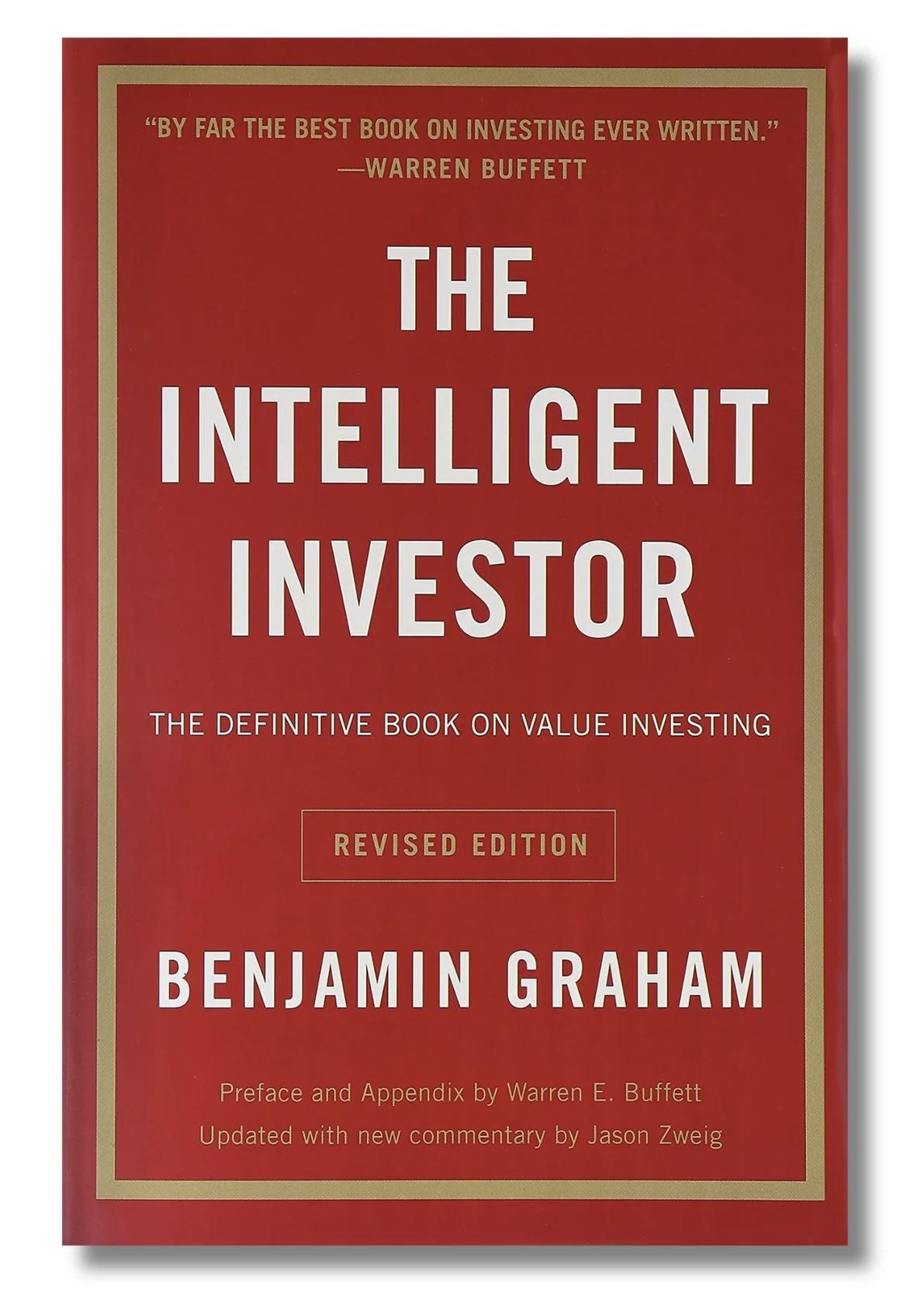
The intelligent investor by Benjamin Graham.
This book on investing is widely regarded as the foundation of modern investing because it introduced principles that help you think like a long-term, rational investor rather than a short-term speculator.
At its core, Benjamin Graham teaches that investing should be grounded in reasoned analysis, not emotional reactions to market hype or fear. One of the most famous ideas in the book is the concept of “margin of safety” buying assets at prices significantly below their intrinsic value so you have a buffer against losses and uncertainty.
Graham also uses the metaphor of “Mr. Market” to show how market prices swing wildly with emotion, and how disciplined investors can benefit by staying rational and taking advantage of those mood swings instead of following them.
The book emphasizes patience, emotional control, and careful valuation, offering readers a mindset that prioritizes capital preservation, thoughtful research, and long-term value creation over quick profits. This is one book on investing every serious investor should read.
Think and Grow Rich by Napoleon Hill
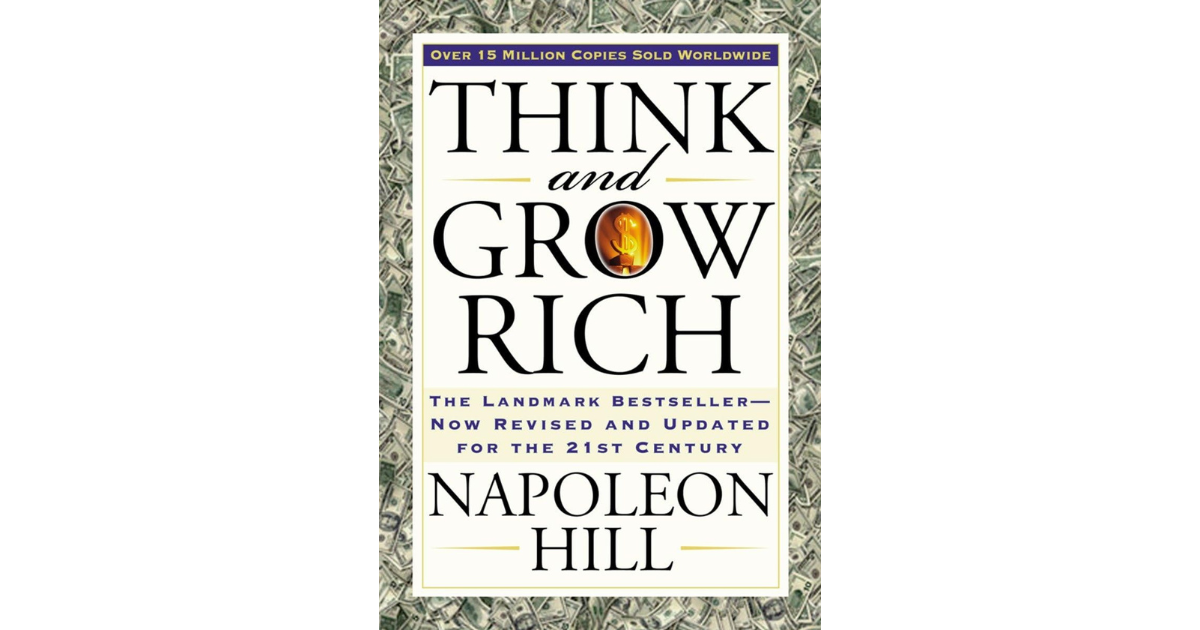
One book on investing that will shape your mindset.
While this book isn’t a technical guide to stocks or financial instruments, it remains one of the most influential books on investing because it teaches something many investors overlook: how our mindset shapes financial outcomes. Napoleon Hill spent over two decades studying highly successful individuals, and through his research he discovered that people who consistently achieve financial success tend to think and act in similar ways. They have clarity of purpose, a strong belief in their goals, persistence through setbacks, and a disciplined approach to action.
For investors who struggle with fear, inconsistency, or self‑doubt when it comes to money or investing, this book helps reshape the internal habits that support long‑term growth.
Rather than telling you what to invest in, it teaches you how to think about investing making it a valuable book on investing for anyone serious about developing the mindset needed to build and sustain wealth.
Rich Dad Poor Dad by Robert Kiyosaki
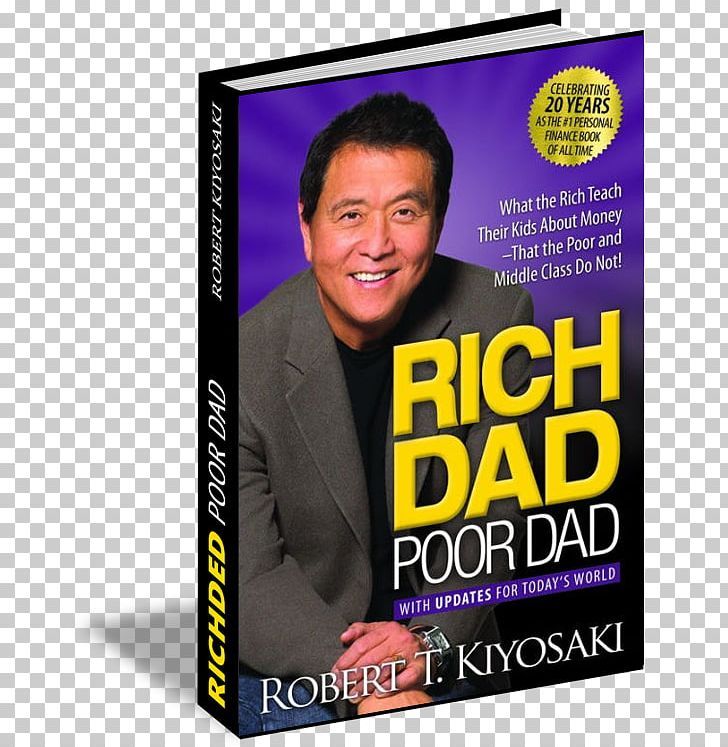
One book on investing – Rich Dad Poor Dad.
Source: Exclusive Ebooks
This is one of the most beginner-friendly books on money and investing because it breaks down complex financial concepts through simple, relatable stories. Robert Kiyosaki uses his own experiences growing up with two father figures — one wealthy, one not — to illustrate the difference between working for money and creating systems that allow money to work for you.
The core lesson is financial literacy: understanding assets, liabilities, cash flow, and why relying solely on income doesn’t guarantee long-term wealth.
For people just starting out in investing or personal finance, this book serves as a practical guide, introducing essential concepts in a way that’s easy to understand and apply, making it a must-read book on investing for beginners.
The Psychology of Money by Morgan Housel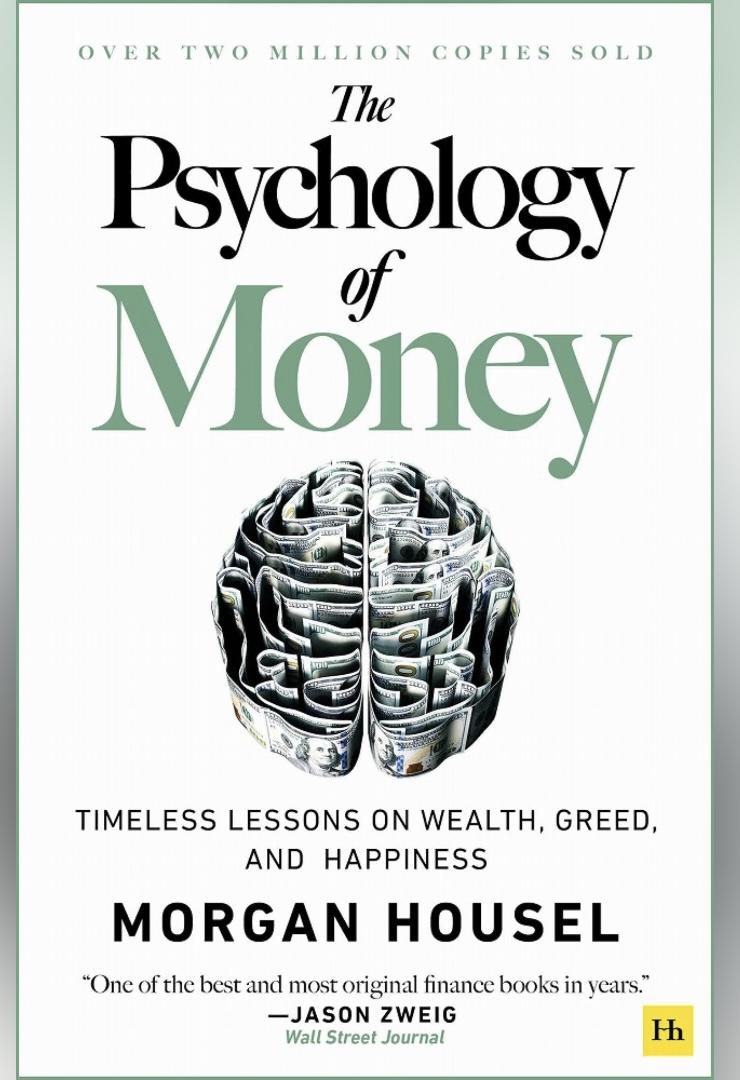
Morgan Housel, The Psychology of Money.
What really sets this book apart as a valuable book on investing is how it shows that behavior often matters more than technical knowledge. The Psychology of Money teaches that financial success is about consistently making good decisions over time, especially when emotions and uncertainty are involved.
One story that stuck with me is about Ronald Read, a janitor and gas station attendant who lived a humble life but quietly built an $8 million portfolio by saving diligently and investing for the long term. He didn’t have a high income or fancy financial credentials, yet through patience and consistency he achieved a level of wealth most people never do. Housel uses this example to illustrate that investing success often comes down to disciplined habits like patience and emotional control rather than intelligence or technical skill.
Through stories like this, the book helps you understand that traits such as patience, and long-term thinking can be more powerful than knowing formulas or market tricks when it comes to money and investing.
The Millionaire Next Door by Thomas J. Stanley & William D. Danko
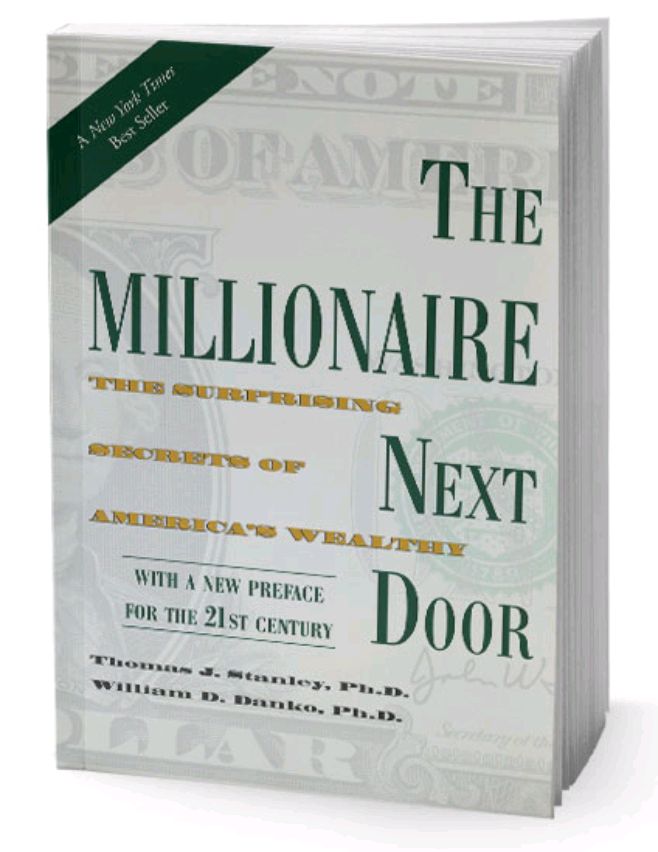
The Millionaire Next Door.
Source: Exclusive Ebooks
The Millionaire Next Door is one book on investing that challenges the idea that wealth equals luxury, showing instead that many genuinely wealthy people live modest lives, avoid unnecessary spending, and focus on long-term financial stability.
One insight that stood out is how the authors studied everyday millionaires and found consistent patterns: disciplined saving, intentional spending, and careful financial planning. Many of these individuals didn’t earn extraordinary incomes, but they built wealth quietly by controlling their lifestyle and delaying gratification. For investors influenced by social media’s loud display of wealth, this book on investing serves as a powerful reality check, reminding you that true financial success is often invisible, steady, and built over time through consistent habits.
One Up On Wall Street by Peter Lynch
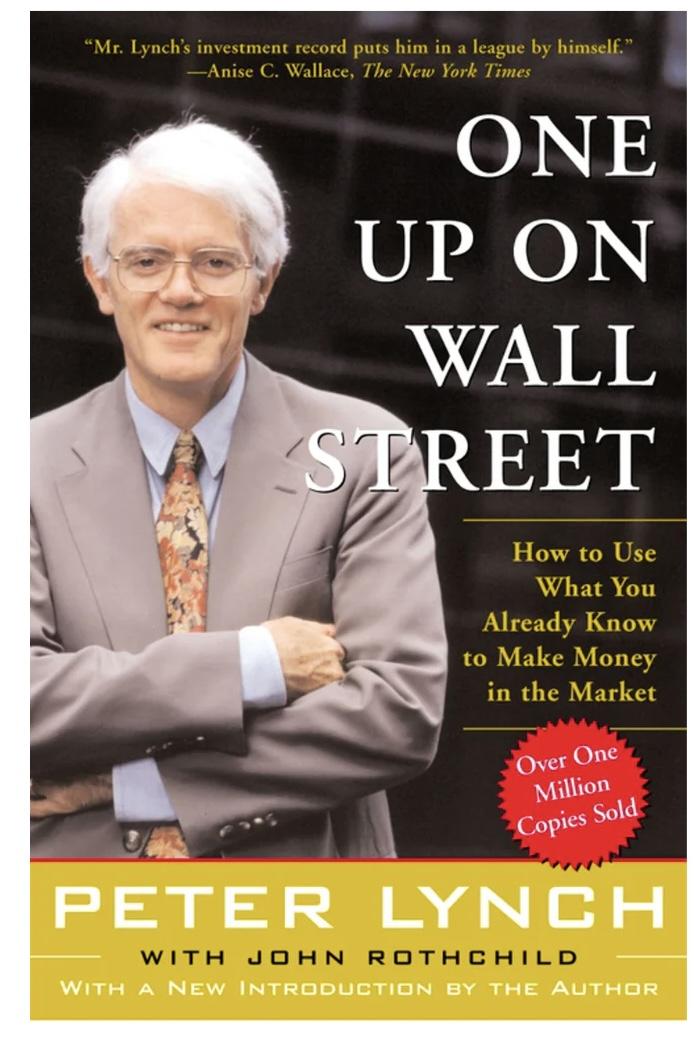
One powerful book on investing.
Source: Book shop.
Peter Lynch is one of the most successful fund managers ever, and in this book, he explains how everyday people like you and me can spot great investments before Wall Street does.
Peter Lynch makes investing feel practical and very relatable by advising investors to “invest in what you know,” explaining that everyday people often notice promising products, services, and trends in their daily lives long before they become popular on Wall Street. That perspective completely changes how you approach investing.
Lynch encourages curiosity backed by basic research rather than blind guessing or blindly following experts. He shows how to understand what a company actually does, how it makes money, and if its growth makes sense over time. For investors who want to understand how individual stocks work and build confidence thinking independently, this book on investing offers practical insights rooted in real-world observation and disciplined analysis.
Where to Get These Books on Investing
Now that you know these Six (6) must-read books on investing, the next step is getting your hands on them. They are widely available both offline and online.
The Intelligent Investor by Benjamin Graham – Available on Amazon and Audible.
Think and Grow Rich by Napoleon Hill – Get it from Amazon
Rich Dad Poor Dad by Robert Kiyosaki – Buy on Amazon or listen on Audible.
The Psychology of Money by Morgan Housel – Order from Amazon or read on Apple Books.
The Millionaire Next Door by Thomas J. Stanley & William D. Danko – Available on Scribd and Audible.
One Up on Wall Street by Peter Lynch – Find it on Amazon or Scribd.
If you prefer physical copies, check bookstores around your local area or library to get them or check for online vendors who deliver physical copies.
Conclusion
These six books teach how to think about money. Together, they cover mindset, behavior, risk, discipline, and long-term planning which are the core pillars of financial education.
For anyone serious about building wealth sustainably, these books offer a strong starting point. Learning from them helps reduce costly mistakes, build confidence, and develop a clearer understanding of how money works in the real world.
Hydra-Scola has so many helpful programs and resources that will help you develop the financial mindset and practical skills such as business thinking, strategic planning, income creation, and financial decision-making that complement timeless investing lessons like the ones in these books.

Elsie Udoh is a writer who transformed her love for talking into a career. You can easily tell that she talks a lot by how her paragraphs flow.
She’s big on clarity, connection, and helping people learn something new without getting bored halfway through.