If you can’t measure it, you can’t improve it.
Marketing without measuring or analyzing performance is like navigating without a map, you won’t know where you’re going or if you’ve arrived.
Without proper measurement, you could be investing time and money into strategies that aren’t delivering results.
And you might be missing opportunities to double down on what’s actually driving growth.
So how do you track what’s working and what’s not?
I’ll break down ten (10) techniques to help you measure and analyze your marketing performance so you can make smarter decisions.
Track Website Traffic & User Behaviour
Your website is your digital storefront. If you’re not tracking who visits, how long they stay, and what pages they view, you’re missing out on important insights.
How to Measure it:
Use Google Analytics to track the total number of visitors, bounce rates, and session durations.
Monitor traffic sources to see where your visitors are coming from.
Use heatmaps to understand how users interact with your pages.
Tracking website traffic helps you understand if your content and SEO efforts are attracting the right audience.
Measure Conversion Rates
Getting traffic on your website means nothing if visitors don’t convert into leads or customers. Your conversion rate tells you the percentage of users who take needed action.
How to Measure it:
Monitor the percentage of visitors who sign up, make a purchase or book a call.
Use Google Tag Manager to track form submissions and purchases.
Compare conversion rates across different traffic sources to see what works best.
A low conversion rate means your website needs better copy, stronger CTAs or a smoother user experience.
Monitor Customer Acquisition Cost (CAC)
It’s really important to know how much you are spending to acquire a new customer.
If your customer Acquisition cost (CAC) is too high, then your marketing strategy isn’t sustainable.
How to Measure it:
CAC = Total Marketing Spend / Number of New Customers Acquired
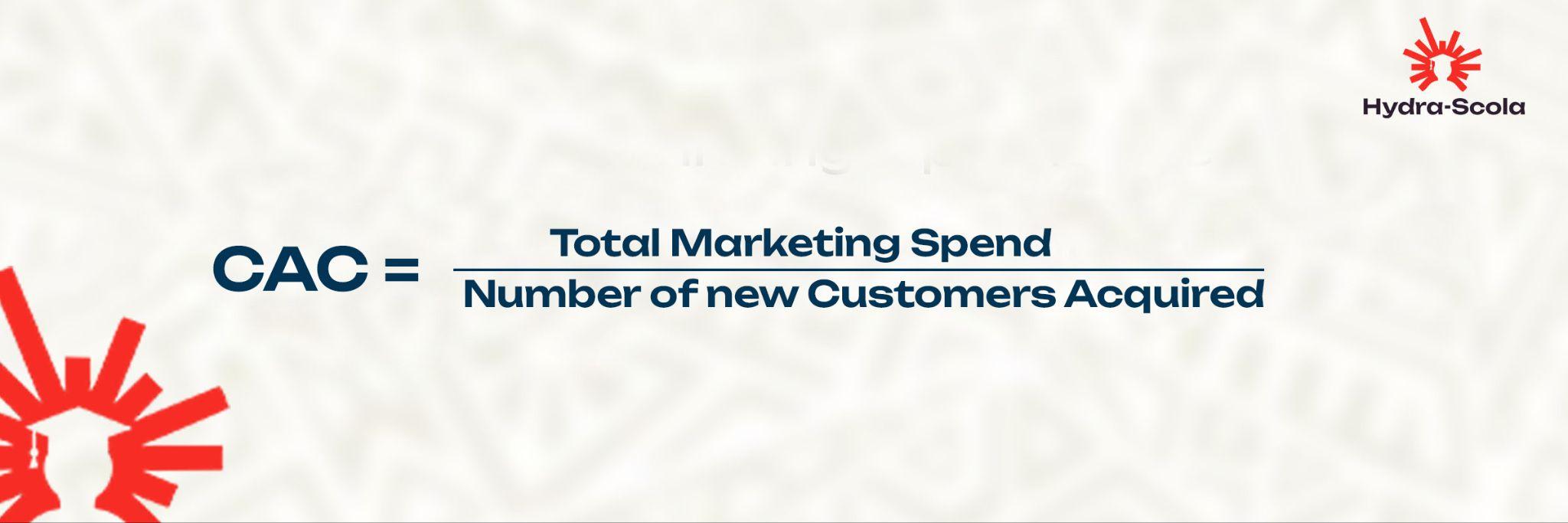
Reducing your CAC means lower ad spend and higher return without sacrificing growth and speed of growth.
Evaluate Return on Investment (ROI)
ROI lets you know if your marketing campaigns are actually profitable.
Calculation of ROI
ROI = (Revenue from Marketing – Cost of Marketing) x 100
Cost of Marketing
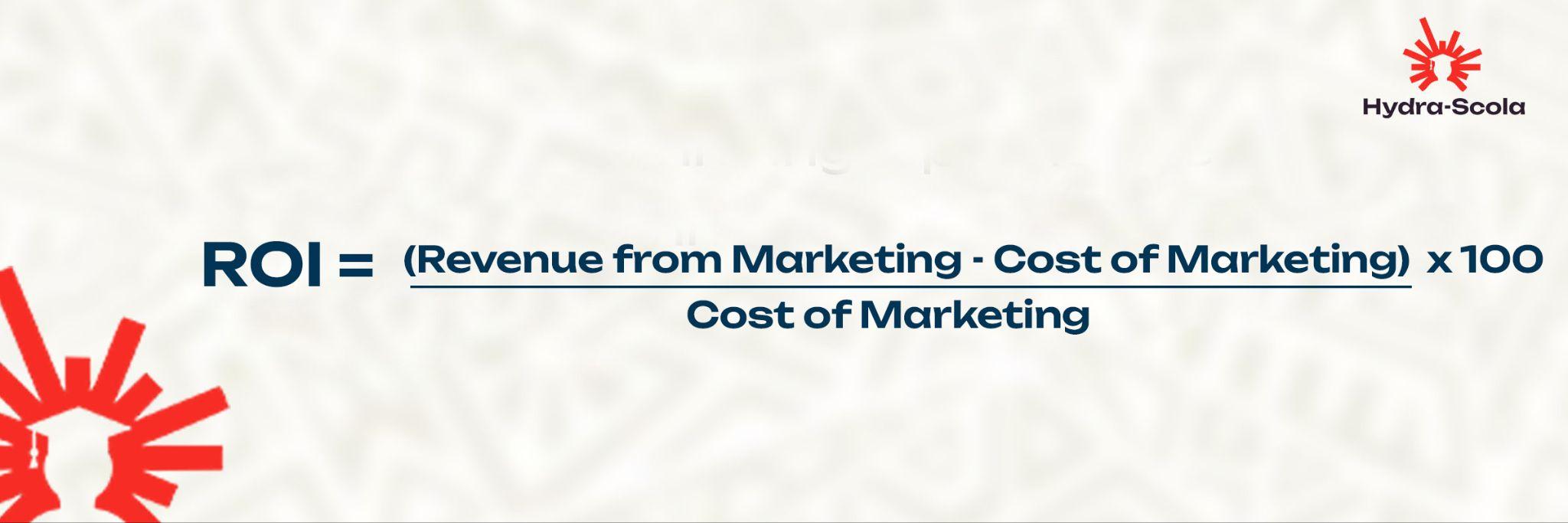
Tracking ROI ensures your marketing budget is yielding measurable and profitable returns.
Use Engagement Metrics to Assess Audience Interest
Getting likes and shares isn’t everything, but they do show how engaged your audience is.
How to Measure it:
Track social media engagement
Measure CTR on ads and email.
Analyze time spent on your page for blog content.
High engagement means your content is resonating with your audience.
Check Customer Lifetime Value (CLV)
A one-time purchase is great. But having a customer who consistently buys from you is precious.
How to Measure it:
CLV = (Average Purchase Value x Purchase Frequency) x Customer Lifespan
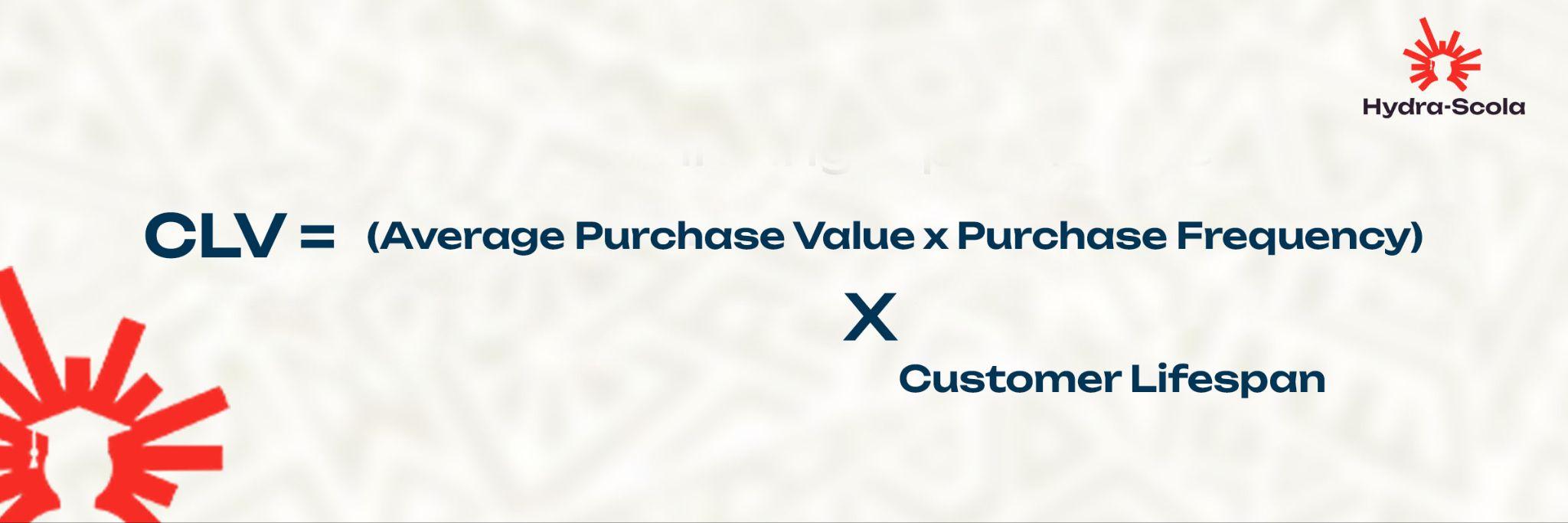
The higher your CLV is, the more sustainable your business model.
Analyze Email Open & Click Rates
If your emails go unread, your audience isn’t engaged by it. Tracking open and click-through rates (CTR) helps you to refine your email marketing.
How to Measure it:
- Open Rate = Percentage of total recipients who opened your email.
- CTR = Percentage of recipients who clicked on a link inside the email.
Improving email engagement means better customer retention and higher conversion.
Track Social Media Performance
Are your social media efforts driving traffic and conversion or are they just vanity metrics?
How to Measure it:
Use platform insights {Facebook, Instagram, Linkedin, X (formerly Twitter)}.
Track and measure referral traffic from social media to your website.
Monitor engagement rates and audience growth over time.
A well-performing social media strategy builds brand awareness, sales and customer loyalty.
Monitor Brand Mentions & Perform Sentiment Analysis
What are people saying about your brand online? Are you getting positive or negative feedback?
A positive brand sentiment = higher trust.
How to Measure It:
Use tools like Google Alert or Mention to track online mentions.
Monitor customer reviews and social media comments.
Understanding how the public feels helps you manage your reputation and improve brand loyalty.
10. Leverage A/B Testing for Better Performance
Guessing doesn’t work in marketing. A/B testing removes the guesswork and helps optimize your strategies.
How to Measure it:
Run A/B tests on headlines, CTAs, email subject lines, ad creatives, etc.
Compare performance metrics.
Make informed decisions on options to double down on.
How to Choose the Best Metrics for Your Business
Not every metric matters for every business. Here’s how to prioritize what to track:
- Start with business goals: Is your business focused on brand awareness, lead generation, or sales?
- Identify Key Metrics: If lead generation is the goal, focus on conversion rates and CAC. If a different option, pinpoint the key metrics under that option.
- Use the right tools: Google Analytics, CRM software, and social media insights can help track performance.
- Analyze & adjust: Regularly review data and optimize based on insights.
Common Pitfalls to Avoid in Marketing Analysis
- Tracking too many metrics- Focus on the ones that matter.
- Ignoring data trends- Don’t make decisions based on one-time spikes.
- Failing to test: A/B testing should be a habit.
- Not aligning with business goals: Track metrics that impact revenue and other major business goals.
Conclusion
Marketing without measuring is guesswork. If you’re serious about growing your business, you need to track what’s working and optimize/kill what’s not.
By using these ten (10) techniques, you’ll gain deeper insights, improve your strategies, and ensure your marketing efforts deliver real results.
Want more expert guidance on optimizing your marketing strategy?
Hydra-Scola can help you maximize your marketing performance with resources and programs containing guides and data-driven insights.
Get started today!

Damaris is a content writer at HydraScola, where she explores topics around marketing and business growth.