Spending money on Facebook Ads is easy but getting a good return on investment is what most advertisers struggle with.
In fact, nearly 50% of small businesses fail to make a positive return on investment from Facebook because they’re not optimizing the right way.
Weak targeting, ineffective creatives and poor bidding strategies drain the budget very fast.
And you don’t have to spend more to get a good ROI, you just need to optimize smarter.
In this article, I will explain how to maximize your Facebook Ads for better ROI.
- Refine Your Targeting
One of the biggest mistakes some business owners or advertisers make while running Facebook Ad is trying to do too much.
Your ad must not be for everybody, the most important thing is to reach the right people, not EVERY people.
If your ads are reaching the wrong people, then you’re throwing money away.
Instead of relying on broad targeting like “Male and Female” , 20-60, you need to be very specific with the kind of audience you are going for.
Although, I must admit; broad targeting works well in certain cases.
Custom Audiences & Retargeting
An easy way to boost your ROI instantly is to target people who already know your brand.
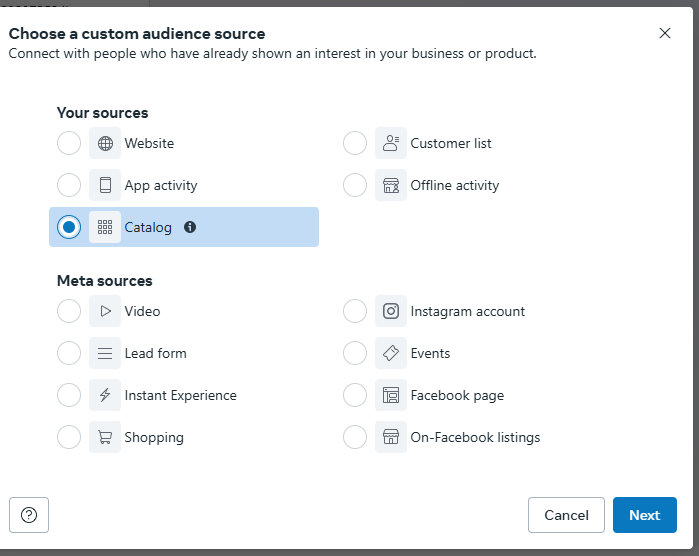
This includes:
- People who engaged with your previous ads or posts.
- Website visitors.
- Email subscribers and past customers.
For example, if someone visited your product page but didn’t buy, you can retarget them with an ad offering a discount.
Lookalike Audiences
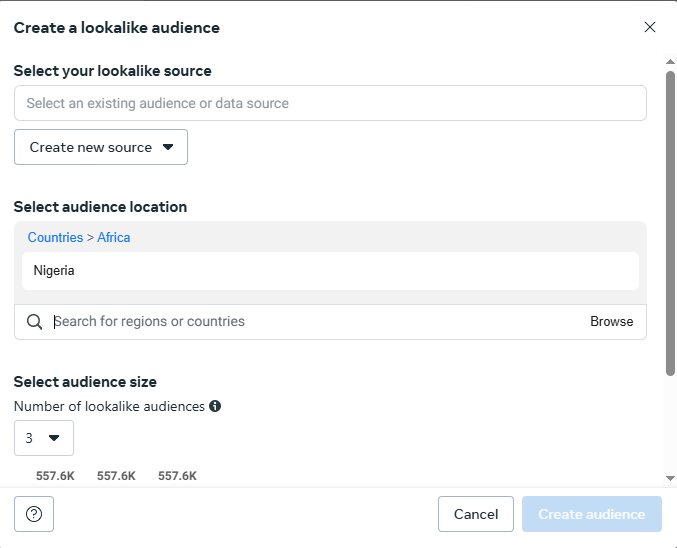
Lookalike Audience can help your business grow and facebook can help find people similar to your best customers, making it easier for you to get high-quality leads.
A Lookalike Audience based on your high-spending customers will almost always perform better than an audience based on wide demographics.
- Improve Your Ad Creatives
There are hundreds of ads showing up everyday on your viewers’ screen while scrolling Facebook, so if your ad doesn’t stand out immediately it shows up it gets ignored.
For your Facebook Ad to stand out, ensure;
- You use compelling visuals like sharp colours, human faces and product in-use shots to grab attention.
- A headline that hooks- speaks directly to a pain point or benefits. For example, “Struggling with coloured teeth? Try this teeth whitening paste.
- Use short and persuasive copy- most people get bored by long text.
- A strong CTA- Tell users exactly what to do next.
- Optimize Your Landing Pages
You wouldn’t want to give users the wrong impression.
Even if you get everything right with your ad, a bad landing page can kill your conversions.
Ensure your ad matches with what is on your landing page. If your ad promises “20% off first purchase”, let the discount also be the same when they land on your page.
How to Fix it:
- Match your landing page to your ad- Ensure the headline, offer, and design are consistent.
- Make your call-to-action (CTA) be as simple and direct as possible.
- Speed up your page- if your page is too slow it discourages users. Use Google Pagespeed Insight to check and improve load times.
- Add trust signals- customers are more convinced by people’s reviews and testimonials. This will help build credibility.
- Retarget Lost Visitors
Not everyone who sees your ad for the first time will make the move to buy, but that doesn’t mean they are not interested.
Retargeting ads can help bring them back, and you should target this set of people;
- Visitors who didn’t complete their purchase- show them an ad reminding them of the product they viewed.
- Cart abandoners- some customers pick a few things to buy and abandon them for some reason, you can offer discounts or free shipping to close the sale.
- Engaged users who didn’t convert- some users just click on your ad and not take the next step because they aren’t convinced about your offering.
To build more trust you can show them a testimonial ad.
- A/B Testing: Find What Works & Scale It
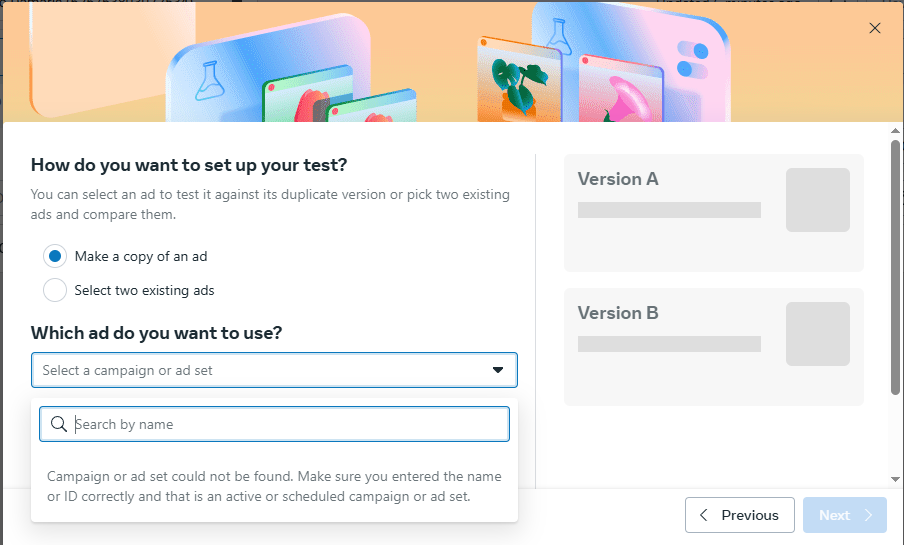
Facebook Ads aren’t something you just set and then relax. You need to keep testing to know which ad actually works to get a high-ROI.
What to Test:
- Different headlines- Don’t just stick to one headline, test to know which will give a better return.
Does “Struggling with acne?” work better than “Clearer skin in 7 days”?
- Images vs. videos- some audiences prefer images, while others engage more with videos.
- Call-to-action- Test for copies that get more clicks.
You can try “Buy Now” or “Claim Your Discount” to know which one grabs people’s attention better.
- Landing page variations- Test different page designs, headlines, and offers.
- Budget Optimization
Facebook’s algorithm rewards smart budget allocation. So if you’re spending blindly, you’re wasting money.
How to Allocate Budget Smartly
- Start small & scale- Test your ad with a minimal amount to see what works, and then scale the winners.
- Let Facebook optimize placements- Test Automatic Placements to get the best cost per result.
- Reallocate budget based on performance- shift ad spend to the best performing audiences and creatives.
- Track Performance & Optimize Continuously
If you don’t keep track of your results, it means you’re just running an ad without a plan.
Here are some key metrics to monitor:
- Click-through rate (CTR)- This helps you know if people are engaging with your ad.
- Conversion rate- Are your ads turning into sales or are people just viewing without taking action?
- Return on ad spend- This helps you know how much you get in return for every dollar spent.
- Cost per acquisition (CPA)- How much does it cost to get a customer?
Conclusion
Facebook ads don’t just work if you set them up, forget them and hope for the best.
For your business to actually get a good return from it, you need to keep optimizing.
Target the right audience, optimize your landing page, retarget lost visitors and find what works and then scale.
Visit Hydra-Scola to access high-level resources that will teach you in-depth how to build high-ROI campaigns.

Damaris is a content writer at HydraScola, where she explores topics around marketing and business growth.