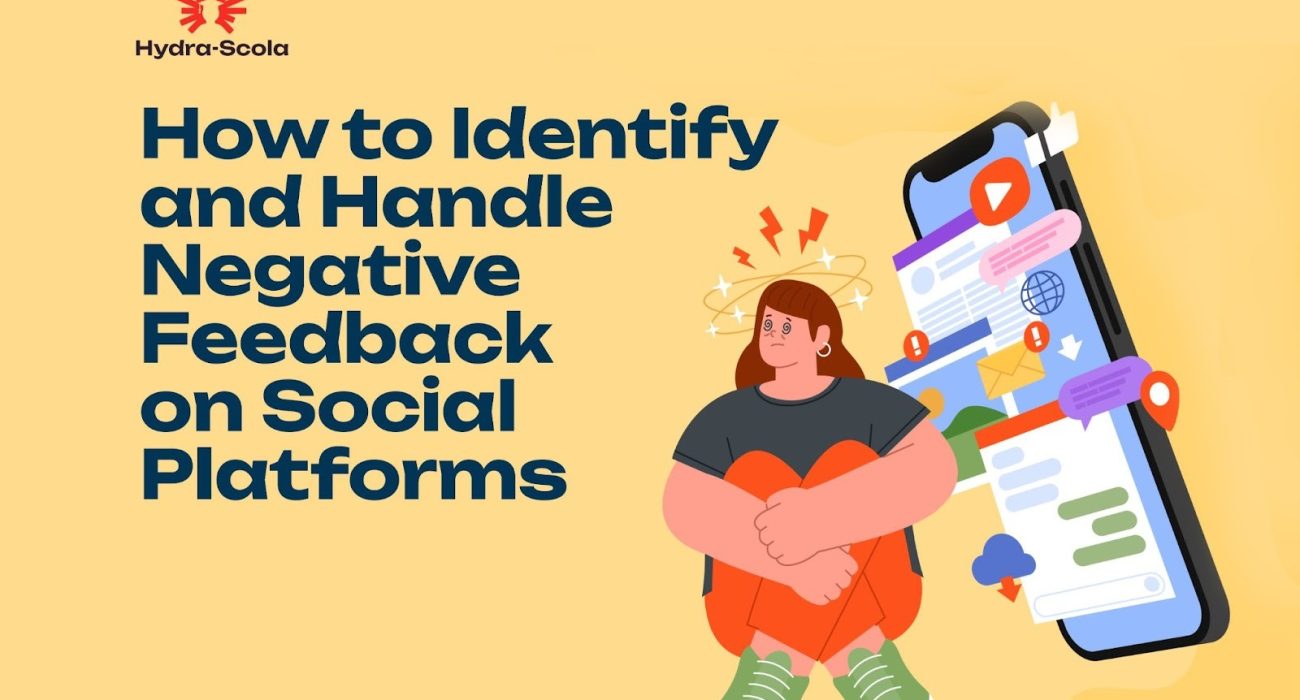
No matter how great your product or service is, negative feedback on social platforms is inevitable. Sometimes, even your best efforts will still result in unhappy customers or critics ready to attack your brand online.
If you’re not careful, negative social media feedback can quickly go viral and put your brand’s reputation in a bad light. Other times, however, it can end well for you. The goal is to know how to handle this feedback effectively when it comes (because it will).
So, how do you handle these situations to turn even the strongest critics into loyal advocates?
This guide will walk you through identifying negative feedback, managing it effectively, and protecting your brand’s online image.
How to Identify Negative Feedback on Social Media

Now, you might think: Identifying negative feedback? That’s easy!
But then, keep in mind that not all feedback is created equal. Some could be genuine complaints, others could be rants, while some might be made to help you improve.
On the other end of the spectrum, you might find malicious attempts from people, paid or not, to tarnish your brand’s image for no just cause.
Whatever the case, knowing these will help you know how best to respond appropriately to each of them and when a negative comment should actually just be ignored.
Common Types of Negative Feedback
Let’s identify some common types of negative feedback on social media that you can look out for, some of which you might have encountered before:
- Customer complaints
This occurs when the customer has issues with products, services, or customer support.
For example, think back to that time when you got a comment on your Instagram post that read something like,
“I ordered this dress two weeks ago, and it still hasn’t arrived, and nobody is responding.”
Now that customer was laying out a complaint.
- Constructive Criticism
As mentioned earlier, some negative feedback can be helpful suggestions from well-meaning customers to help you improve.
Something like this:
“I love your products, but your website is a bit confusing. A search bar would make it much easier to find items.”
- Trolling, Malicious and Hate Speech
These are beyond just complaints or suggestions. They are harsh, non-constructive comments aimed at provoking reactions. They typically look like this:
“Your brand is a joke. No wonder nobody buys from you.”
They are mostly common on X (Twitter) [we honestly don’t know why it is like that over there], but then you can get them on other social media platforms as well.
- Misinformation and False Claims
This feedback is mostly untrue statements that can damage your brand’s reputation.
For example, a customer saying:
“This skincare product gave me rashes! It’s full of harmful chemicals.”
When, in reality, the product is dermatologically tested and safe.
- Public Call-Outs
Public call-outs are another common type of negative feedback from unsatisfied clients.
It occurs when customers tag your brand in negative experiences to gain attention.
For example, a customer could tag your business on X and write:
“@YourBrand sold me a defective phone, and they’re ignoring my messages! Beware, everyone.”
How to Monitor Negative Feedback
If you’ve gotten anything similar to the examples listed above, then you’ve experienced negative feedback from a client.
How did you respond?
Before we get to that, let’s first of all analyse how you can monitor negative feedback to ensure that it is quickly spotted and not left unattended, which could only make matters worse.
Here’s how to do it:
- Set Up Social Listening Tools
Use platforms like Hootsuite or Google Alerts to track brand mentions and customer sentiment.
- Monitor Comments and Messages
Regularly check comments, replies, DMs, and tagged posts.
- Follow Review Sites
Keep an eye on platforms like Google My Business Page Reviews, Facebook Reviews, Yelp, TrustPilot, etc.
PS: Negative feedback can also start with a 3-star or even 4-star review, so be observant.
- Encourage Direct Feedback
Provide customers with a direct line for complaints to prevent public outbursts.
Best Practices for Handling Negative Feedback
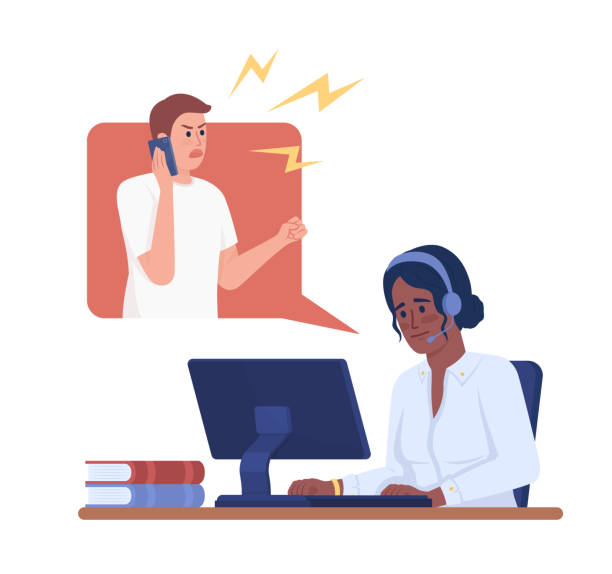
Once you’ve identified negative comments, it’s time to address them properly.
Do the following promptly to prevent it from escalating or, worse, damaging your brand’s reputation:
1. Stay Calm and Professional
Your brand’s response should never be emotional or defensive.
Take a moment to assess the situation before replying. Remember, the goal is to resolve the issue, not escalate it.
2. Acknowledge and Apologise When Necessary
If a customer has a genuine complaint, acknowledge their frustration and offer a sincere apology.
This doesn’t mean admitting fault outright, but showing empathy. Also, as much as possible, resist the urge to be defensive.
Here’s what I mean:
Let’s say a customer comments:
“Your service is the worst! I’ve been waiting for a response for days, and no one cares about customers!”
And then your response is:
“That’s not true! We always respond to customers. Maybe you didn’t check your inbox properly.”
Do you think this solves the problem or simply makes it worse?
If you said that it makes it worse, then you’re correct.
This response tells them that they are wrong and you are right, and remember, the customer is always right (even when they are obviously wrong).
It also sounds dismissive and shifts the blame to the customer, making them feel unheard and frustrated.
Let’s explore a better way the brand could respond:
“Hey [Customer’s Name], we’re really sorry for the delay. That’s not the experience we want for you. Can you DM us your order details? We’ll sort this out ASAP.”
That’s much better, right? I’m sure you agree.
Now, this response acknowledges the issue, reassures the customer, and offers a solution without being defensive.
3. Take the Conversation Private
Just because negative feedback was received publicly doesn’t mean it should be handled there.
For sensitive issues, move the discussion to private messages, emails, or phone calls.
This prevents further public scrutiny and allows for a more personal resolution.
However, when a sensitive complaint is posted online and publicly, potential and existing customers are watching closely to see how you handle it.
The key is to acknowledge the issue publicly while guiding the conversation to a private channel for resolution without making the customer feel ignored.
Here’s how you can do that:
Customer’s Public Comment:
“I had a terrible experience at your restaurant last night. The food made me sick, and I had to go to the hospital. I need an explanation.”
Brand’s Public Response:
“We’re really sorry to hear about this, [Customer’s Name]. Your health and safety are our top priorities. Please DM us or email [[email protected]] so we can address this immediately.”
This response acknowledges the issue, expresses concern, and moves the conversation to a private channel for a more personal resolution.
4. Respond Quickly
Speed matters on social media.
A prompt response shows that you care about customer concerns. Aim to reply within a few hours, if not sooner.
You can do this by having a social media handler or customer care agent who’s on standby and trained to respond to negative feedback as soon as it arrives.
5. Offer a Solution
Where possible, provide a resolution.
This could be a refund, a replacement, or a simple explanation. Customers appreciate brands that take action.
6. Correct Misinformation Promptly
If someone spreads false information about your brand, address it professionally with facts. Avoid being confrontational.
You could say:
“We appreciate your concern. However, we’d like to clarify that our policy is [explain policy]. Feel free to reach out if you have further questions.”
7. Know When to Ignore or Block
Not all negative comments deserve a response. Trolls and spam accounts thrive on attention.
If a comment is purely hateful and non-constructive, you can choose to ignore or, in extreme cases, block the user.
How Negative Feedback Can Turn into a Positive Opportunity
When handled correctly, even negative feedback can benefit your brand in many ways, such as:
- Improve Customer Experience
Criticisms can be a fine tool to use to enhance your services or products.
- Showcase Excellent Customer Support
A well-handled complaint can boost trust and show others how much you value your customers.
- Engage and Build Loyalty
When customers see their concerns addressed, they’re more likely to remain loyal.
- Strengthen Brand Reputation
A proactive approach to feedback improves brand credibility over time.
Final Thoughts
Negative feedback on social media isn’t a death sentence for your brand; it’s an opportunity that you can use to turn a dissatisfied customer into a loyal advocate.
Monitor your brand mentions, respond professionally, and always aim to resolve issues quickly (and privately when necessary). The key is to maintain your brand’s integrity while showing customers that their voices matter.
Mastering this approach will help you to handle negative feedback effectively and also strengthen your brand’s reputation in the long run.
Related Articles:
(Insert Links to All)
How to Handle Client Objections and Turn ‘Maybe’ Into ‘Yes
10 Reasons Your Social Media Follower Growth Has Stagnated
5 Steps to Handling Last-Minute Objections Gracefully

Elsie Udoh is a writer who transformed her love for talking into a career. You can easily tell that she talks a lot by how her paragraphs flow.
She’s big on clarity, connection, and helping people learn something new without getting bored halfway through.