Many small businesses would thrive today as long as they avoid these 10 common marketing mistakes small business owners make and also learn how to fix them.
Marketing is the lifeblood of any business (small, medium or large). You can’t attract customers without it. A good marketing plan will build a loyal audience and generate consistent revenue.
The problem is that many small business owners unknowingly sabotage their success with costly marketing mistakes.
Did you know: 14% of small businesses fail due to poor marketing.
You could invest time, money, and energy into promoting your business, yet your growth remains stuck, inconsistent and slow.
Today, we’ll break down ten (10) common marketing mistakes small business owners make, explain why they happen, and show you exactly how to fix them.
By the end, you’ll have a clear roadmap to improve your marketing strategy and start seeing real results.
Key Takeaways
- A strong marketing strategy is essential for business growth and customer acquisition.
- Avoid common mistakes like ignoring SEO, neglecting email marketing, and inconsistent branding. Avoiding them improves success.
- Diversifying marketing channels beyond social media ensures long-term stability.
- Tracking performance with analytics helps make informed, data-driven decisions.
- Storytelling and branding build trust and emotional connection with customers.
- Customer retention strategies like loyalty programs and great service drive sustainable business growth.
Ten (10) Common Marketing Mistakes Small Business Owners Make
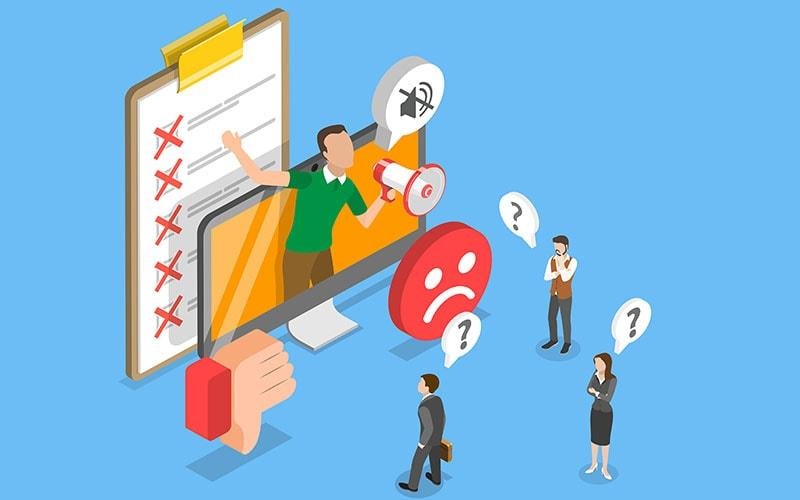
Common Marketing Mistakes Small Business Owners Make
- Not Defining a Clear Target Audience
- Ignoring SEO and Online Visibility
- Focusing Only on Social Media (and Ignoring Other Channels)
- Inconsistent Branding and Messaging
- Neglecting Email Marketing
- Not Tracking and Analyzing Marketing Efforts
- Overlooking Customer Retention Strategies
- Creating Content Without a Strategy
- Undervaluing the Power of Storytelling in Marketing
- Failing to Adapt to Market Changes
1. Not Defining a Clear Target Audience
One of the biggest mistakes small business owners make is trying to market to everyone. While it might seem like you are casting a wide net to increase your chances of getting customers, it often has the opposite effect.
A vague, generalized message fails to connect with anyone deeply, making it less effective at driving engagement and conversions.
The truth is, your product is not universally needed. You must carve your ideal customer from the bunch.
Narrowing down your audience won’t limit potential sales. Marketing efforts become scattered and inefficient without a well-defined target market.
Create a buyer persona.
Consider factors like their age, interests, pain points, and buying behaviors. This helps you tailor your marketing to speak directly to the people most likely to buy from you.
Use analytics tools like Google Analytics and Facebook Insights to gather data on your current audience.
These tools can reveal demographics, online behavior, and engagement patterns, helping you refine your targeting.
Finally, experiment with different messaging to see what resonates best. Read our extensive guide on What is A/B testing and How to A/B test Facebook ads to help refine your approach and connect with the right audience.
Here is a detailed guideline on creating a Buyer Persona from HubSpot: https://www.youtube.com/watch?v=v6EWN4EjHM0
2. Ignoring SEO and Online Visibility
Having a website or social media page is not enough for small businesses. If people can’t find you online, your business might as well not exist.
Search Engine Optimization (SEO) helps your website rank higher in search results, making it easier for potential customers to discover you.
Without it, your competitors who do invest in SEO will dominate search rankings, leaving you struggling for visibility.
Don’t rely 100% on social media traffic, social media algorithms change frequently, limiting how many people see your content.
Businesses that don’t regularly update their websites with fresh, relevant content miss out on opportunities to improve their rankings on Google and other search engines.
Start by optimizing your website with primary and secondary keywords that your target audience is searching for.
If you run a marketing consultancy for small businesses, using phrases like “marketing strategies for small businesses” in your headlines, page descriptions, and blog content can help improve your rankings.
Consider launching a blog where you share valuable, SEO-optimized content. Write about industry trends, answer common customer questions, and provide expert advice to position your business as a trusted resource while boosting your search visibility.
If you operate locally, claim your Google My Business (GMB) profile listing. This ensures that your business appears in local search results and on Google Maps, making it easier for nearby customers to find you.
Here is a detailed guide on how to set up a Google My Business profile in 2025: https://www.youtube.com/watch?v=KPfjzL9oPiE
You can also learn the Ten (10) Common Social Media Mistakes That Harm Your Brand’s Image and how to avoid them.
3. Focusing Only on Social Media (and Ignoring Other Channels)
Social media is a fantastic tool for building brand awareness and engaging with customers, but it shouldn’t be your only marketing channel.
A well-rounded marketing strategy should include multiple channels to ensure consistent visibility and customer engagement.
Many small business owners focus exclusively on social media because it’s easy to set up and start posting. It feels accessible and gives the illusion of immediate audience engagement.
Another common marketing misconception is that paid social media ads guarantee sales, but in reality, ads only work if paired with a solid marketing funnel and targeted messaging.
To create a more stable and effective marketing strategy, start by investing in email marketing. Email marketing gives you access to your audience’s inbox. Send valuable content, promotions, and updates through email to build stronger customer relationships and improve conversion rates.
Consider offline marketing tactics such as local networking events, partnerships with complementary businesses, or direct mail campaigns (if applicable to your business and location).
By diversifying your marketing efforts across multiple channels, you reduce your dependency on any single platform, build a moat against disruption and create a better strategy for long-term business growth and sustainability.
4. Inconsistent Branding and Messaging
Branding is the overall identity of your business. It’s what makes you recognizable and builds trust with your audience. If your branding is inconsistent across different platforms, it can confuse potential customers and make your business look unprofessional.
A lack of clear brand guidelines causes inconsistent branding. Without a defined style, businesses tend to use different colors, fonts, and messaging depending on the platform or person managing the content.
Another issue is varying messaging across platforms, where the tone of voice on social media might be completely different from what’s on the website.
Create a brand style guide that outlines essential elements such as your brand colors, fonts, tone of voice, and logo usage. This ensures consistency whether you’re designing a website, posting on social media, or creating marketing materials.
Maintain consistent messaging across all platforms. Whether it’s your website, social media, emails, or ads, your brand’s voice should feel the same everywhere.
If your business is friendly and casual on Instagram, it shouldn’t sound overly corporate on your website.
5. Neglecting Email Marketing

Another common marketing mistake many small businesses make is overlooking email marketing. They assume it’s outdated compared to social media or paid ads.
According to Statista, In 2024, e-mail marketing revenue was projected to surpass 9.5 billion U.S. dollars. Few channels can compare with its average return on investment (ROI).
Email marketing remains one of the most effective digital marketing strategies. Email gives you direct access to your customers’ inboxes, making it a powerful tool for building relationships and driving sales.
To get started, focus on building an email list. Offer lead magnets such as free resources, exclusive discounts, or valuable content in exchange for email sign-ups. This gives potential customers an incentive to join your list and stay connected with your brand.
Once you have a list, avoid sending only promotional emails; customers don’t want to feel like they’re constantly being sold to. Instead, deliver valuable content, such as helpful tips, industry insights, or engaging stories that build trust and keep readers interested.
The goal is to make your emails something people look forward to, not something they ignore or unsubscribe from.
By integrating email marketing into your strategy, you create a reliable, cost-effective way to nurture leads, engage customers, and drive consistent sales; all while maintaining full control over your audience.
Hydra-Scola can help you write converting email content with this complete guide on How to Start Email Copywriting to create engaging email campaigns.
6. Not Tracking and Analyzing Marketing Efforts
Marketing without tracking is like driving with your eyes closed, you have no idea where you’re going or what lane you’re on.

Many small businesses invest time and money into marketing but fail to measure their results. Without tracking, you’re guessing, which often leads to wasted resources, poor ROI, and missed opportunities for growth.
Best ways to Track Marketing Efforts for small businesses
- Use Google Analytics to Track Website Traffic
- Monitor Social Media Insights
- Adjust Strategies Based on Real Data
By tracking and analyzing your marketing efforts, you eliminate guesswork, maximize ROI, and make smarter business decisions, helping your small business grow with confidence.
Related Read: Facebook Ad Metrics: Understanding what matters for your Campaign
7. Overlooking Customer Retention Strategies
Many small businesses focus heavily on attracting new customers while neglecting the ones they already have. Acquiring a new customer costs five times more than retaining an existing one. Loyal customers buy more and refer others, making retention strategies crucial for long-term success.
Best Strategies for Long-Term Success for Small Businesses
- Reward your existing customers with loyalty points, exclusive discounts, or special offers.
- Follow up with Customers after a purchase to strengthen relationships and encourage future purchases.
- Provide exceptional Customer Service to build trust and keep customers coming back.
When you prioritize customer retention, you boost profits, increase brand loyalty, and build a strong, sustainable business.
8. Creating Content Without a Strategy
Posting content randomly and hoping for engagement or sales won’t cut it. With a clear strategy, your content becomes consistent, focused, and effective.
Every post should serve a purpose, whether it’s to educate, entertain, engage, or convert customers.
How to create a content strategy
- Plan content in advance by using a content calendar to schedule posts. This prevents last-minute, low-quality content.
- Use Storytelling to connect emotionally. Share real customer stories, behind-the-scenes insights, and personal experiences to build a deeper connection.
- Repurpose High-Performing content. If a blog post, video, or social media post performed well, turn it into other formats.
A strong content strategy ensures your marketing efforts attract the right audience, build trust, and drive sales effectively.

Don’t miss: Five (5) Easy Sales Flow Strategies That Increase Client Conversion by over 50%.
9. Undervaluing the Power of Storytelling in Marketing
People don’t just buy products, they buy emotions, experiences, and connections.
A compelling story makes your brand memorable and helps customers relate to your business on a deeper level. Many small businesses focus only on facts and features, missing out on the emotional impact of storytelling.
How to use storytelling for small brands
- Make your Brand’s journey relatable by sharing your Why.
Why you started, what challenges you faced, and how you aim to help customers.
A relatable brand story fosters loyalty and makes people feel invested in your success. - Showcase real-life testimonials and case studies of how your product or service has made a difference. This builds credibility and trust.
- Visual storytelling is powerful. Videos featuring customer experiences, behind-the-scenes moments, or your brand’s mission create emotional connections and increase engagement.
Storytelling turns your marketing from just selling a product to creating an experience that resonates with customers.
10. Failing to Adapt to Market Changes
The business landscape is constantly evolving; what worked last year might not work today. If you don’t stay flexible and adapt, your competitors will leave you behind unapologetically, and your marketing efforts will become outdated.
How to adapt to marketing changes
- Stay updated on Industry Trends
- Experiment with new marketing tactics
- Listen to customer feedback
By staying adaptable, your business remains relevant, competitive, and ready for future growth.
Fix These Mistakes & Watch Your Business Grow
For small businesses, the thin line between thriving and crashing is a good marketing strategy. A single mistake or uncoordinated campaign can spiral your efforts and set your business back.
Marketing isn’t just about being seen, it’s about being effective. By avoiding these mistakes and implementing smart marketing strategies, you’ll attract the right audience, boost sales, and grow your brand.
Frequently Asked Questions (FAQs)
1. What is the most common marketing mistake made by small businesses?
The most common marketing mistake small businesses make is not defining a clear target audience. Many businesses try to appeal to everyone, which weakens their message and reduces conversions.
To avoid this, create a buyer persona that outlines your ideal customer’s age, interests, pain points, and buying behavior.
2. How can I improve my small business’ marketing strategy?
To improve your small business marketing strategy, focus on data-driven decisions and diversify your approach.
Start by optimizing your website for SEO, using email marketing, leveraging storytelling, and tracking performance with tools like Google Analytics and Social Media insights.
3. Why is SEO important for small businesses?
SEO (Search Engine Optimization) helps small businesses increase online visibility and attract more potential customers for free.
By using relevant keywords, optimizing website content, and securing local listings (such as Google My Business), businesses can rank higher in search results and drive organic traffic.
4. How do I measure the success of my marketing efforts?
To measure marketing success, track key performance indicators (KPIs) like website traffic, conversion rates, engagement rate, and return on investment (ROI).
Tools like Google Analytics, Facebook Insights, and email marketing dashboards help analyze what’s working and where improvements are needed.
5. What are the best free marketing tools for small businesses?
Some of the best free marketing tools for small businesses include:
- Google My Business (local SEO and visibility)
- Canva (graphic design for social media and branding)
- Google Analytics (website traffic analysis)
- Mailchimp (free plan) (email marketing)
- Hootsuite or Buffer (social media scheduling and analysis)
Using these tools can help you streamline marketing efforts and grow your business without a big budget.
Explore The Art of The Sales Call: How to Confidently Close More Clients to boost your conversions today!

I write like I talk - curious, At Hydra-Scola, amongst other things, I obsess over why campaigns click.