Palm oil is one of Nigeria’s biggest business opportunities, yet many entrepreneurs overlook it. Demand keeps rising and supply can’t keep up which makes it a goldmine for those who get in early.
This article will give you a comprehensive guide and steps on how to start and grow a successful palm oil business in Nigeria.
Step 1: Research the Market
Before jumping in, know the demand, supply and competition in your target area.
- Know who are the biggest buyers.
- The current market price.
- The best places to get palm oil or fruit.
Step 2: Choose Your Business Model
It’s important to choose a business model and there are four ways to make money in the palm oil industry:
- Palm Plantation: You grow oil palm trees and sell the fruit, this may take long but it’s highly profitable.
- Processing & Milling: You buy palm fruit, process it into oil and sell at a higher price.
- Wholesale/Distribution: You buy palm oil in bulk and sell to retailers. You can get quick turnover but need capital.
- Retailing: Selling directly to customers. This requires lower capital and the profit is steady.
Step 3: Raising Capital
Your starting capital depends on your business model. You can start up little with personal funds and if you want to go for large scale business you can consider loans, grants or partnership to raise funds.
Step 4: Set Up Your Supply Chain
- Plantation Owners: Get fertile land in states like Akwa Ibom, Edo or Cross River.
- Processors & traders: Find trust-worthy suppliers in local markets or oil mills.
- Distributors: if you are starting out as a distributor you can partner with plantation owners, producers and processors for bulk purchases.
Step 5: Register Your Business
To operate legally and gain reputation, register your business with the Corporate Affairs Commission(CAC), get NAFDAC approval and also join palm oil trade associations.
Step 6: Start Selling & Scaling
Once operations are running use online marketplace, supermarkets, shopping malls and seize export opportunities.
Why Palm Oil Business is a Lucrative Business In Nigeria
Here are some reasons why palm oil business is a good business in Nigeria:
- It has High Demand and Low Supply
Since output cannot keep up with demand, Nigeria imports millions of metric tons of palm oil annually, creating a huge need that new companies must fill.
- Multiple Revenue Streams
Palm oil is used daily for cooking, margarine, soaps, cream and also as biofuel which means there are always steady buyers in different industries.
- High-Profit Margins
Traders can earn up to 50% profit margins (or even higher) per cycle with large purchases and appropriate storage.
- Long-Term Investment with Recurring Profits
Once your plantation is established, you will be able to enjoy continuous harvests with little replanting costs because a single palm tree can produce for up to 30 years.
- Nigeria’s Climate is Perfect for Palm Oil
Tropical climates are great for the growth of palm oil, and Nigeria’s hot, humid climate is perfect for this purpose.
In many regions of Nigeria, palm trees grow naturally, which lowers farming expenses.
- Government Support & Business Incentives
In an effort to promote agricultural self-sufficiency, Nigeria’s government has introduced policies like:
- Import restrictions on foreign palm oil.
- Low-interest on agricultural loans for farmers.
- Tax incentives for agribusiness investors.
How Profitable is a Palm Oil Business in Nigeria?
Palm oil is one of Nigeria’s most profitable agricultural businesses. The profitability depends on factors like business scale, production costs, and market prices.
Choosing Your Business Model
- Palm Plantation- This is very profitable but takes years before harvest, it’s best for those who want long-term passive income, with sizable starting capital.
- Processing & MIlling- This requires equipment and the profit is on a short-term basis. It is good for those who want to add value and sell at premium prices.
- Wholesale & Distribution- This has a lower risk with quick cash flow and it’s best for those with limited capital.
- Retailing- if you’re just starting out, this is a good option as it requires little capital but lower profit per unit.
How Okomu Oil Built a Multi-Billion Naira Palm Oil Business in Nigeria
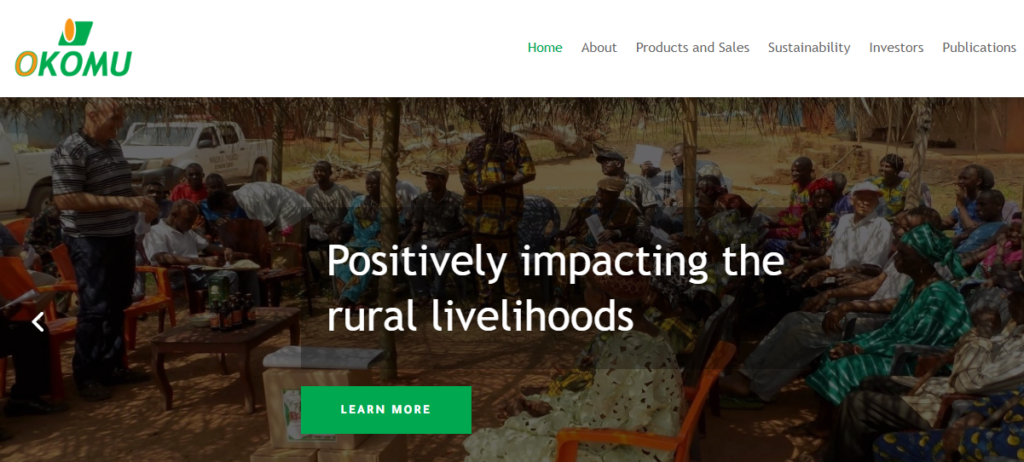
If you still have doubt about the palm oil business in Nigeria being profitable then check out Okomu Oil Palm Company Plc.
This company started as a small government project in 1976 and today it’s one of Nigeria’s biggest palm oil producers, generating billions annually.
Here is How They Achieved it
- Smart Management & Privatization- In 1990, Okomu Oil changed from a government initiative into a privately owned business.
This decision extended operations, improved efficiency, and raised earnings.
- Strategic Expansion- Okomu didn’t stop at just growing palm trees. They expanded their plantations, invested in modern processing technology and built a strong supply chain.
- Sustainable Practices- Unlike many competitors, Okomu prioritizes eco-friendly farming while also helping local communities. This boosted their brand reputation and long-term sustainability.
- Consistent Profit Growth- Today, Okomu Oil generates billions in annual revenue, proving that palm oil is one of the most lucrative businesses in the agribusiness sector.
You can read more on okomunigeria.com
Mistakes to Avoid When Starting a Palm Oil Business
- Buying at Peak Season: prices are usually on the high side between November to March. The best time to buy in bulk is between April to June.
- Inadequate Storage: If palm oil is not stored correctly, it thickens and loses quality. You can prevent this by using airtight drums in cool places.
- Ignoring Market Research: Some markets face strong competition or limited demand. Therefore, before making a full commitment, it is best to test the market.
Palm oil is one of the most profitable and sustainable businesses in Nigeria. With high demand, multiple revenue streams, and strong ROI, it’s a smart investment for any entrepreneur.
Start small by buying & reselling to learn the trade, monitor market trends and network with suppliers.
Hydra-Scola provides insights and strategies to help entrepreneurs succeed in starting their own Palm Oil Business.

Damaris is a content writer at HydraScola, where she explores topics around marketing and business growth.